3 to 8 years undetected
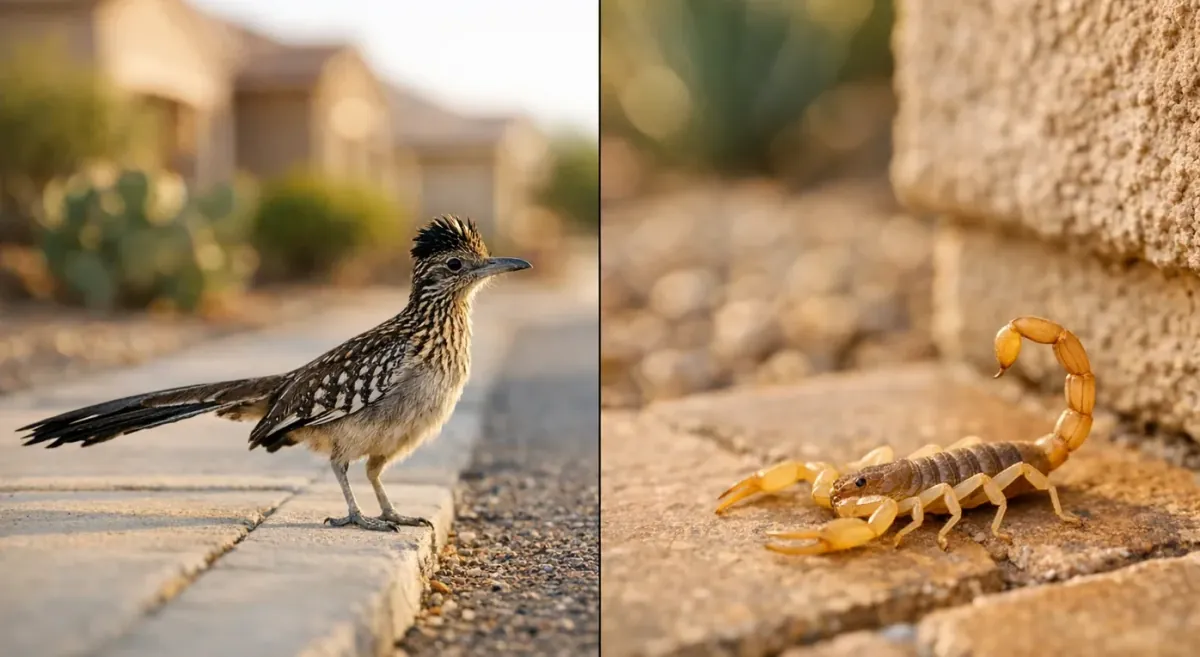
Scorpions can live in your house for months or even years undetected, especially if the conditions are right. With enough food and water, scorpions often live between 3-8 years.

We got 2 alerts our first week! These things really work, what a good idea, so easy to use. Much better than sticky traps, thank you so much!
It works exactly as I hoped it would. Please make something similar for snakes.
We tried everything. Pest control companies, glue traps, powders. None of it worked as well as this.


We don’t get as many alerts any more now that we’ve figured out how to seal up our vents, but we were getting a lot of alerts in the beginning.
Super easy setup. We just plugged the Scorpion Detectors in, set them up with my phone, and that was it. I love the live feed on my phone to let me know they're always watching.
We’re in a new neighborhood with a lot of construction. Our Detectors are staying busy, but getting notifications is better than getting surprised.
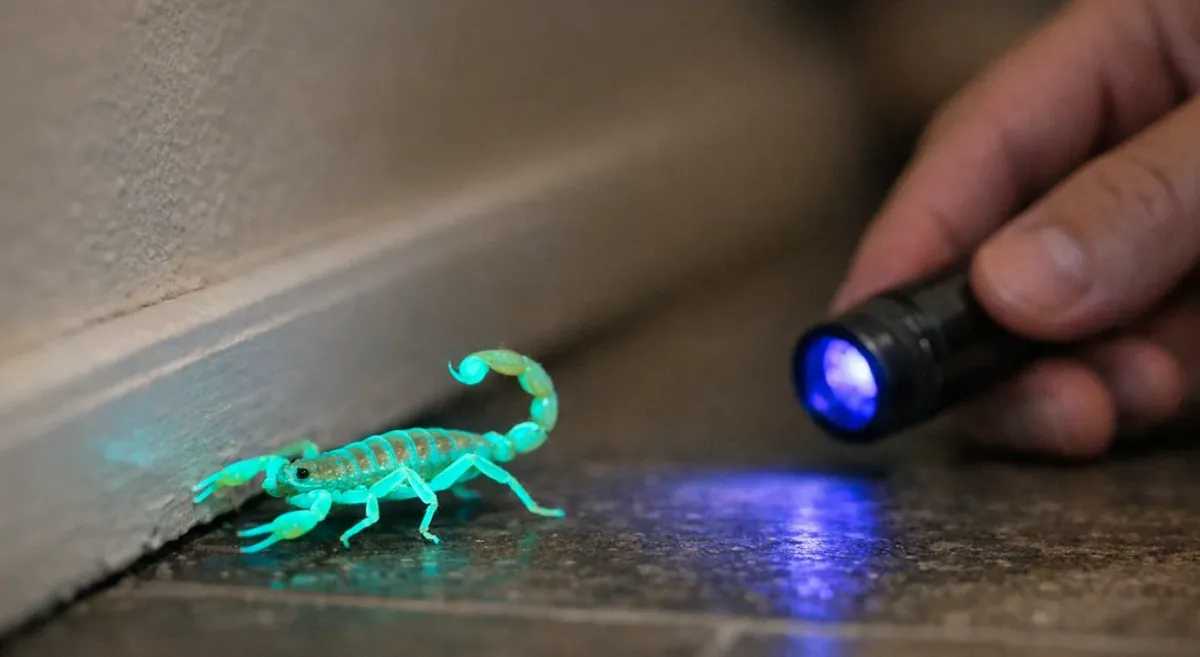
A reliable routine is a nighttime UV sweep—scan baseboards and corners first, then check bed frames/headboards, curtains, closet edges, and “look up” areas like ceiling-wall junctions, vents, and light fixtures (scorpions fluoresce under UV). For a more hands-off approach, perimeter monitoring can catch activity where scorpions usually travel and send quick alerts before they reach sleeping areas. The guide explains how to detect scorpions before they climb and where to place monitors for the biggest safety payoff.
This section lays out a Surprise-specific prevention plan: start with sealing and exclusion (door sweeps, weatherstripping, garage thresholds, and small utility gaps), then reduce prey and hiding spots in the yard and garage, and finally monitor so you know what’s working. It also sets realistic expectations about “what kills scorpions” and why no single product is a magic fix. For ongoing peace of mind, it explains perimeter-based monitoring and how Scorpion Alert can help with scorpion prevention in Surprise AZ.
Start with exclusion (seal gaps, improve door sweeps, repair screens), then reduce prey and hiding spots indoors and along the yard perimeter to lower scorpion pressure over time. Because a single sighting doesn’t always show the full pattern, monitoring helps you verify whether your plan is reducing activity or if hotspots remain. For a practical checklist plus hands-off monitoring options (including autonomous UV-based detectors with photo-verified alerts), see Apache Junction scorpion prevention and monitoring.
Start at least 30+ days before listing with practical steps that buyers can see: sealing gaps (door sweeps, weatherstripping, pipe penetrations, garage gaps) and keeping clear documentation. Organize pest-control history into a simple summary (dates, service type, scorpion notes, warranty terms, and next scheduled visits) so it reads like routine maintenance instead of panic. This pre-list scorpion prevention checklist also covers when a nighttime UV inspection is worth doing and how to use the results responsibly.
Scorpions often begin mating with a long courtship where the male grasps the female’s pincers and guides her to a suitable spot—this is the “mating dance” people sometimes see on patios or driveways. Fertilization happens via a sperm packet (not the same as mammal mating), so sightings are often during roaming and courtship rather than the final moment. It doesn’t automatically mean they’re more aggressive, but you shouldn’t try to separate them—review how scorpions mate step by step to know what you’re looking at.
Some strong odors (especially fresh essential oil applications like peppermint) may discourage a scorpion from crossing a specific spot, but the effect is usually short-lived in Southwest heat, dust, and airflow. This section compares common options like cedar, citrus, lavender, eucalyptus, and cinnamon—plus why harsh cleaners like vinegar, ammonia, or bleach aren’t a safe or lasting “barrier.” It also gives a realistic way to test scent tactics without overusing them—read peppermint oil scorpion repellent limits.
Not you?
No hardware purchase necessary. Just a small monthly monitoring fee. The more Detectors you add, the more you save. Cancel any time and return them — no long-term contract.
Sign up with Google or Apple — no password required.
By continuing, you agree to our Terms & Conditions and Privacy Policy.