Learn everything you need to know about scorpions in your region — from how they behave to the best ways to keep them out.
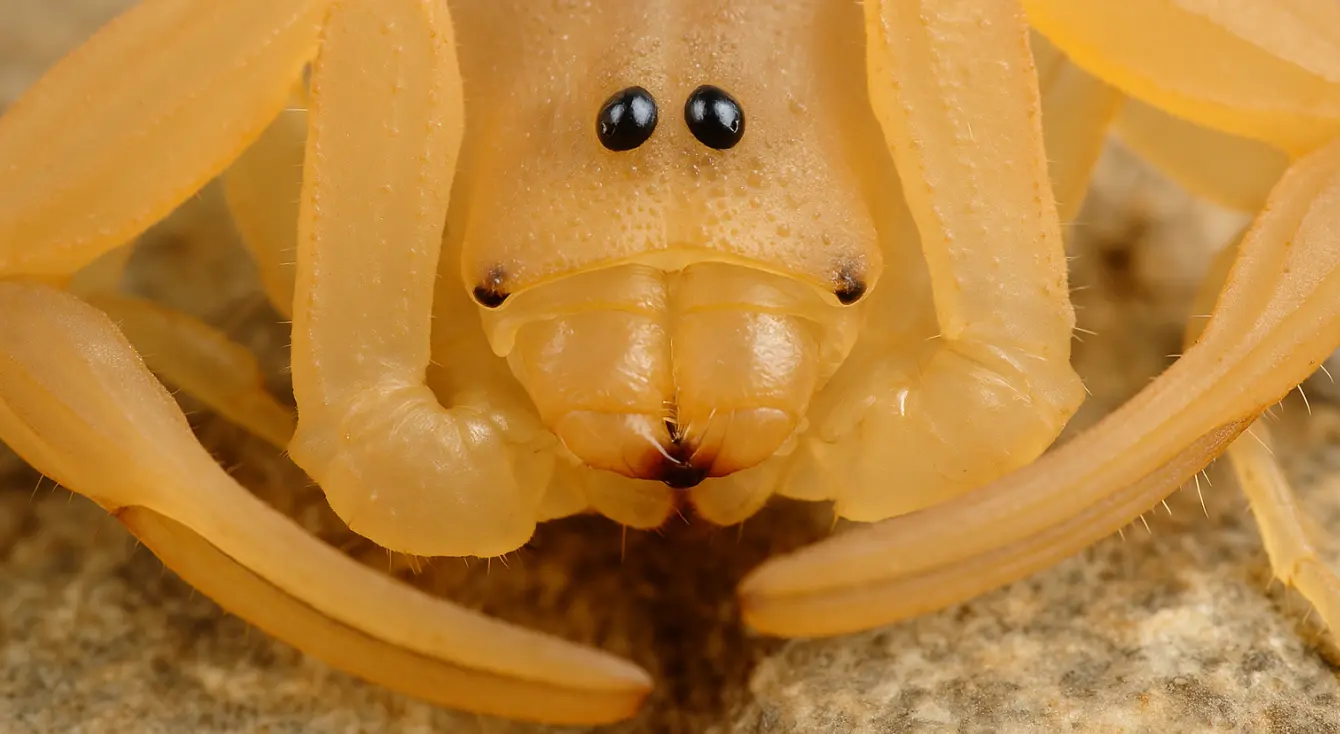
Scorpions do have eyes, but their vision is weak. Learn how they navigate in darkness and how homeowners can spot and monitor them.
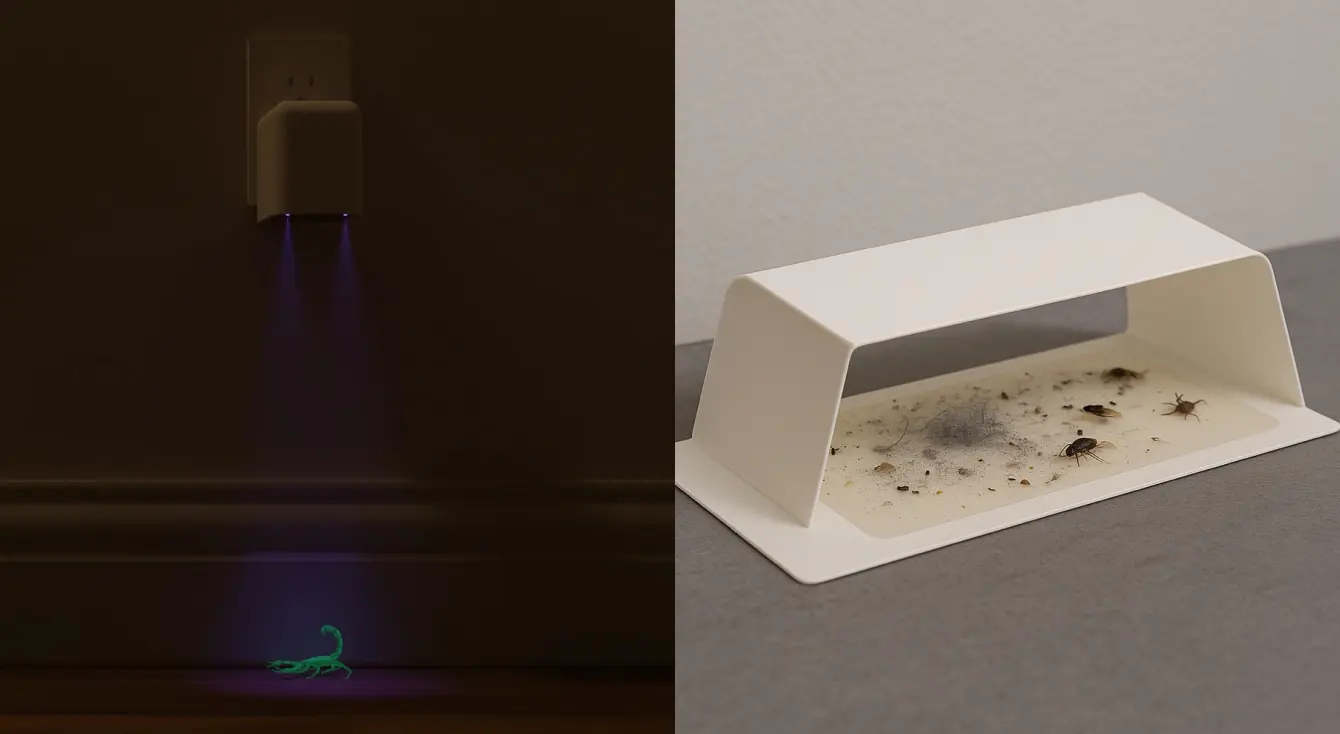
Comparing glue traps and Scorpion Detectors—find out which method gives you better protection and peace of mind.
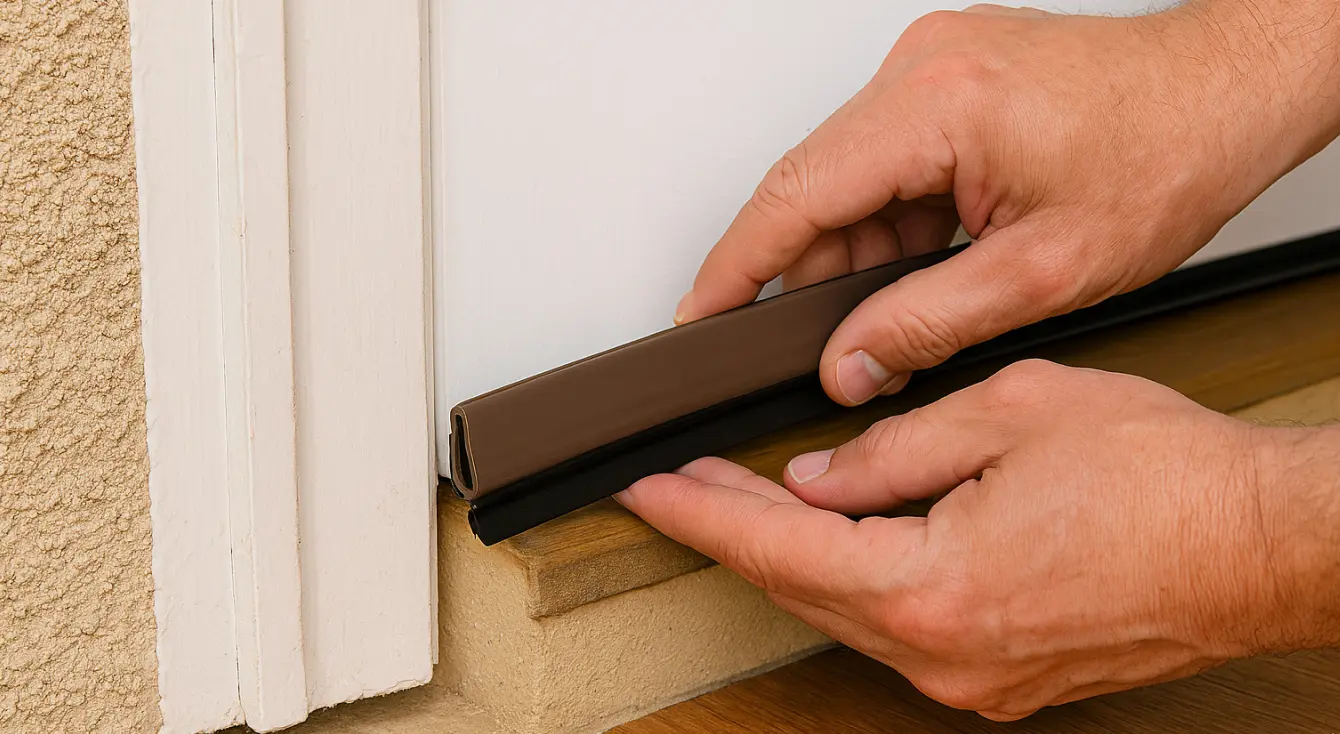
Stop scorpions before they get inside: seal gaps, reduce yard harborage, cut moisture, and use smart monitoring for fast night alerts.
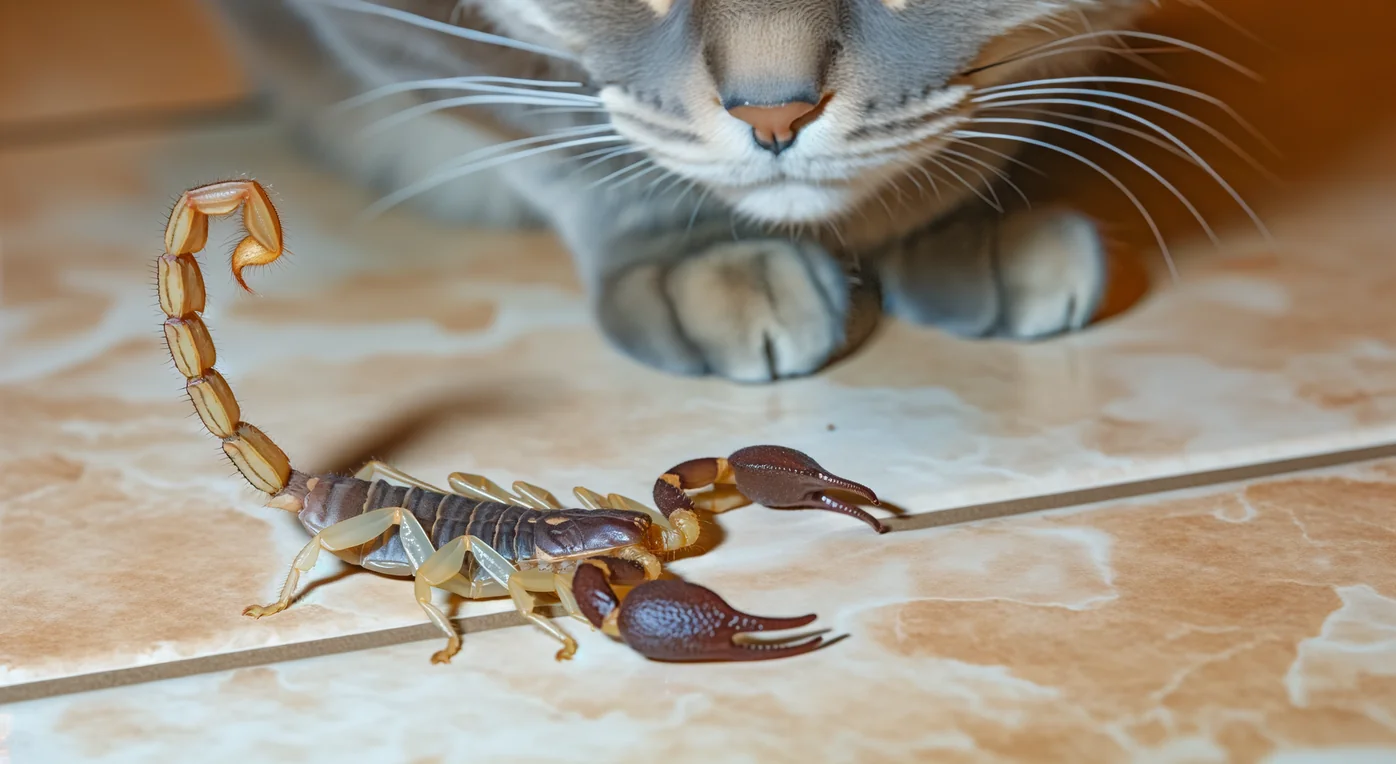
Reddit is split: some cats hunt scorpions, others ignore them. Learn the risks, other predators, and a safer plan.
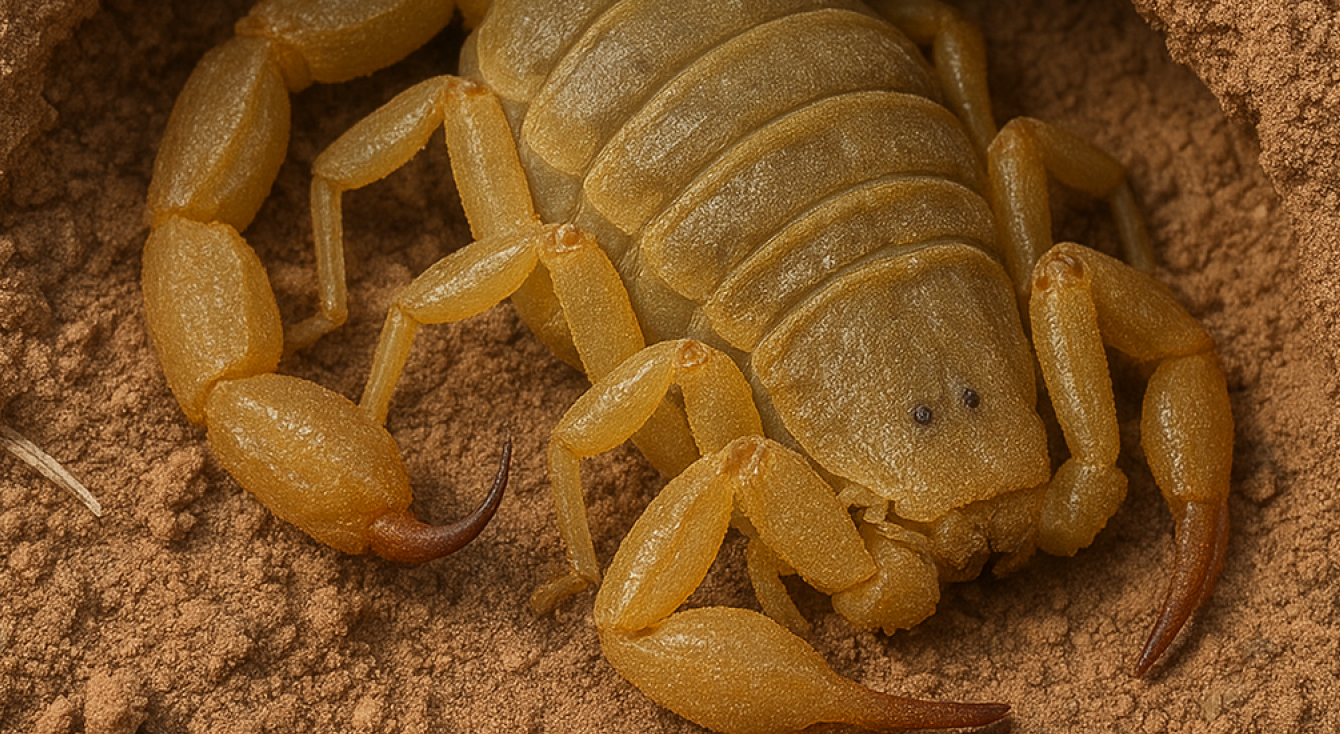
Scorpions don’t vanish in winter. Learn where they hide, why they still show up indoors, and how to prevent surprise stings.
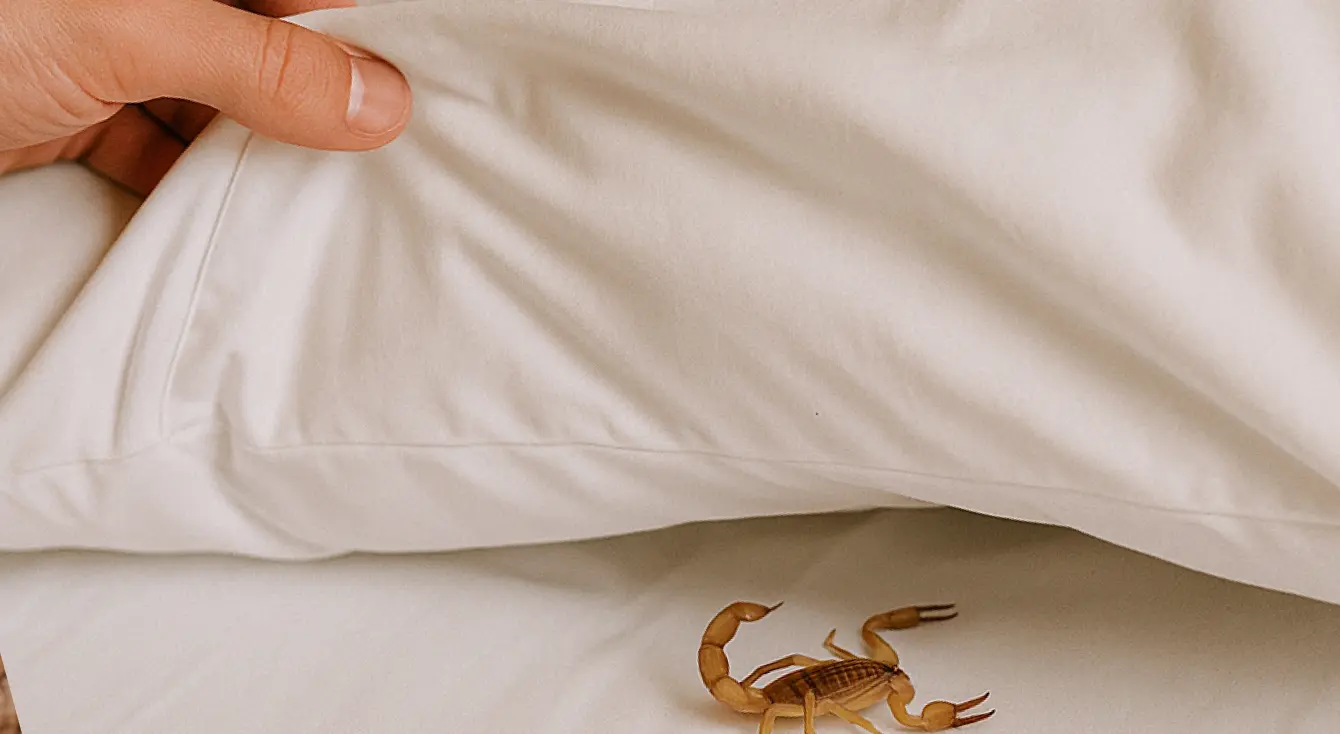
Use a UV flashlight to scan hotels or Airbnbs for scorpions, check top hiding spots, and prevent stings overnight.

Saw a scorpion indoors? Learn when one scorpion means others, how to check tonight with UV, and steps to keep them out.
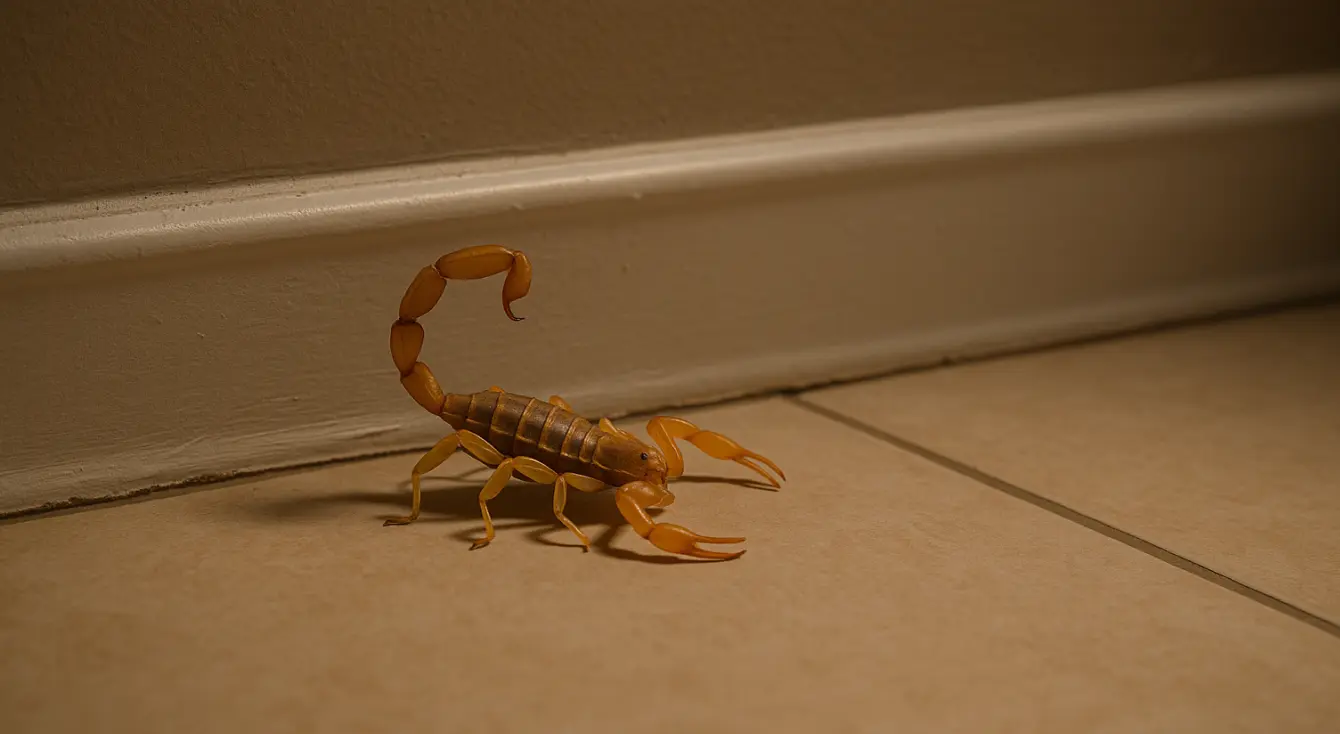
Saw one scorpion indoors? Learn when it’s a one-time intruder vs a bigger problem—and the exact steps to inspect and monitor.

Cy-Kick CS vs Demand CS for scorpions: active ingredients, residual, Reddit insights, dilution mistakes, and which to buy.
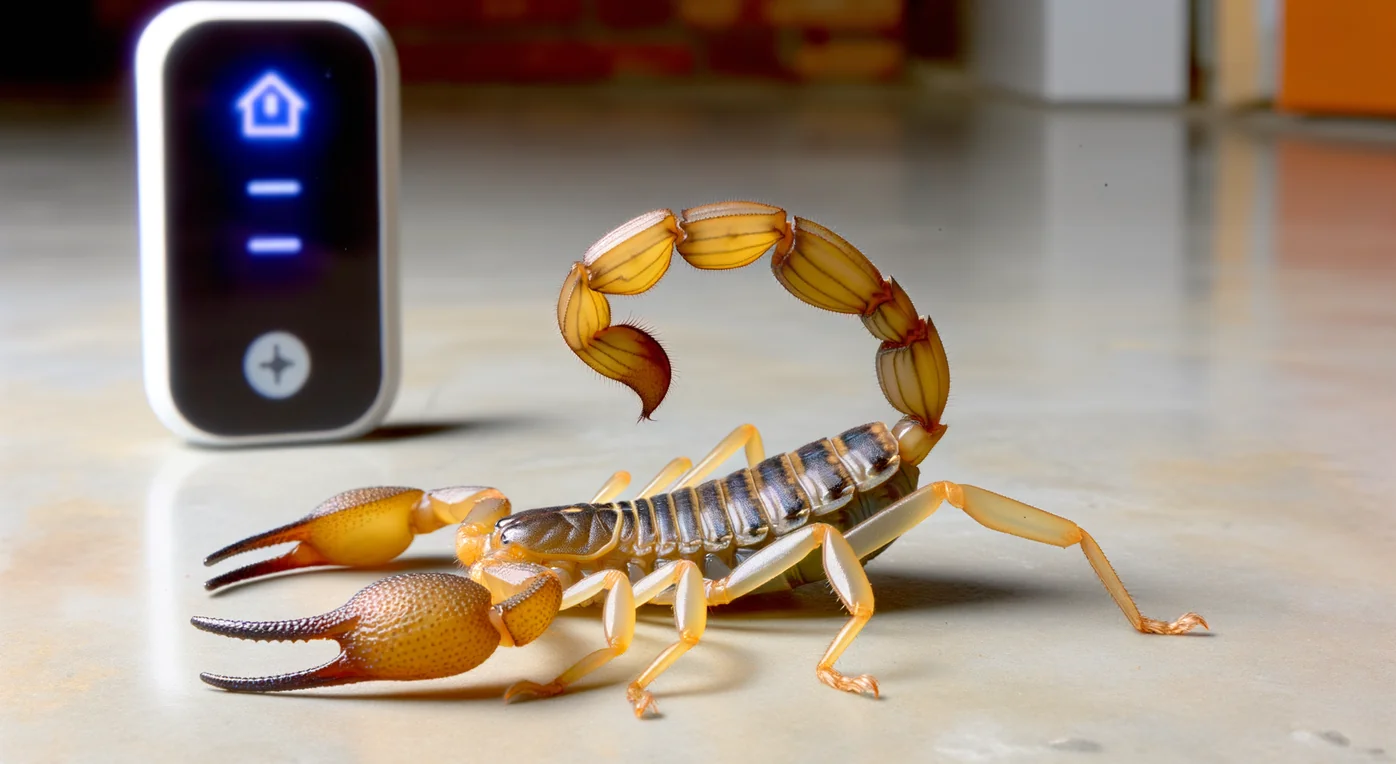
Explore the smart-home gap in scorpion detection and how Scorpion Alert automates trusted UV hunting with photo alerts—24/7.

Looking for the best scorpion repellent? Learn what works, what doesn’t, and how to keep scorpions out with a layered plan.
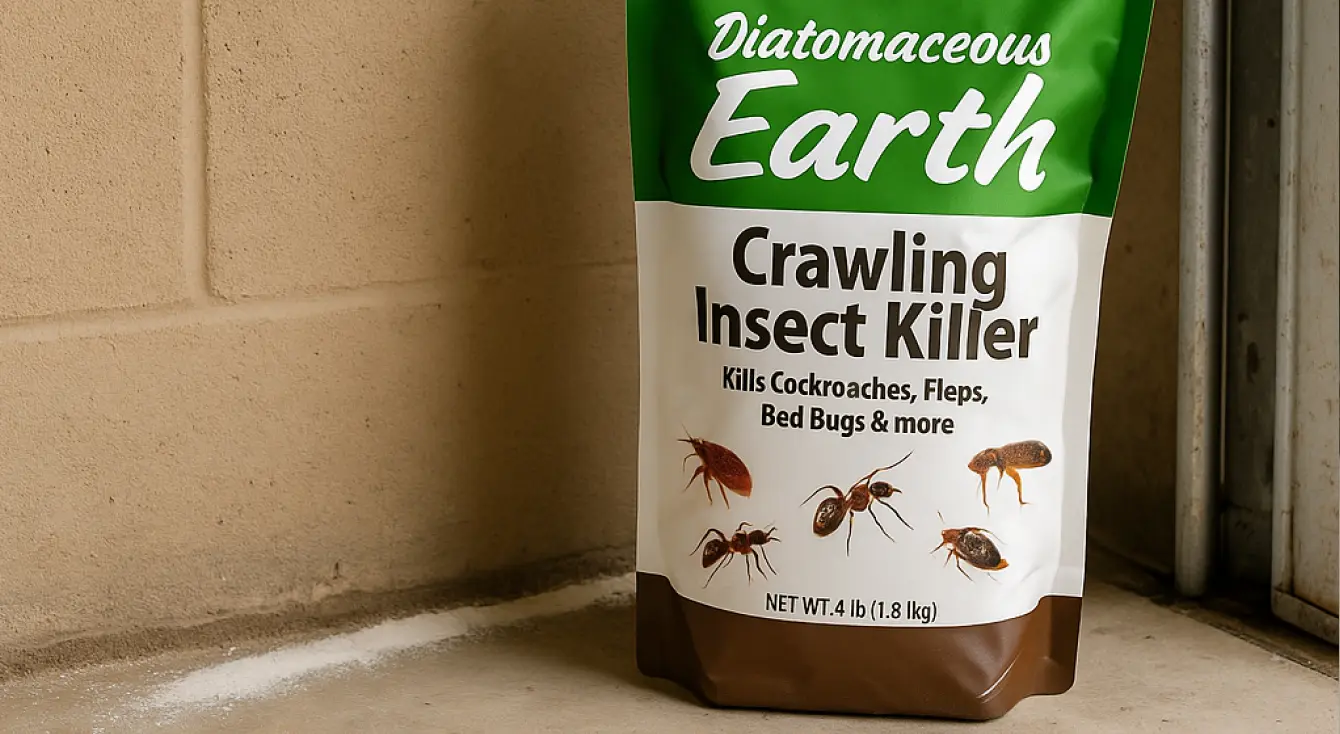
Learn whether diatomaceous earth kills scorpions, where to apply it safely, and why it works best as a backup in a bigger plan.
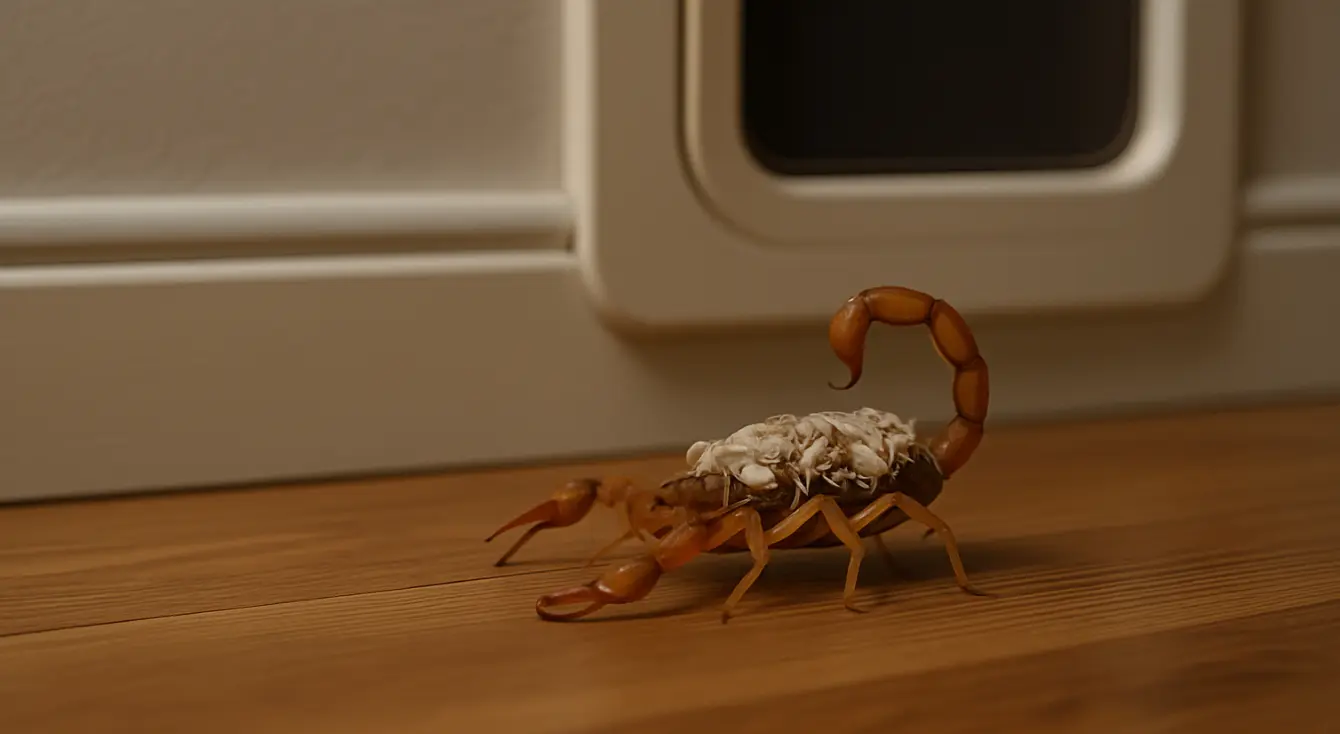
Yes—baby scorpions ride on mom’s back. Learn what it means, how to remove her safely, and how to prevent a scattered brood.

Learn UV blacklight scorpion hunting basics—365nm lights, best timing, hotspots, and safety—plus how to automate it all night.
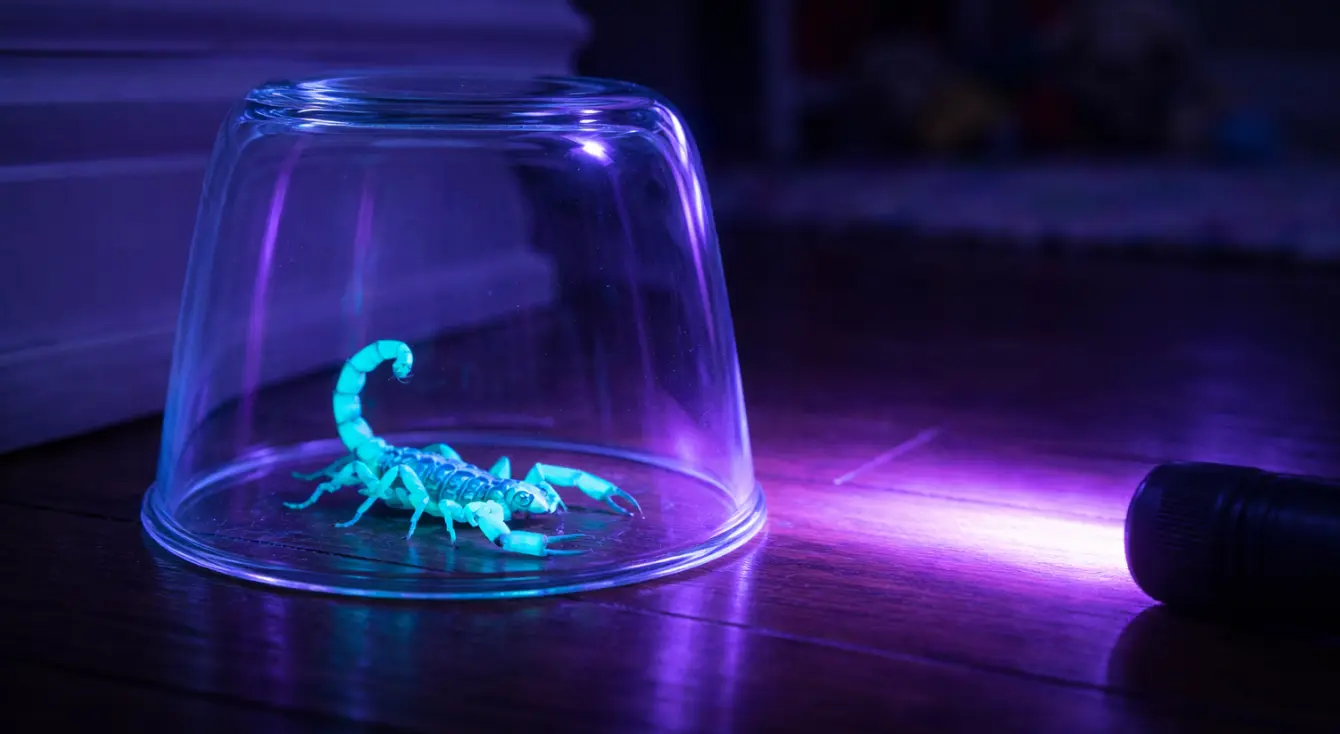
Learn safe, practical ways to trap and remove a scorpion indoors, what not to do, and how to reduce the chance of another.
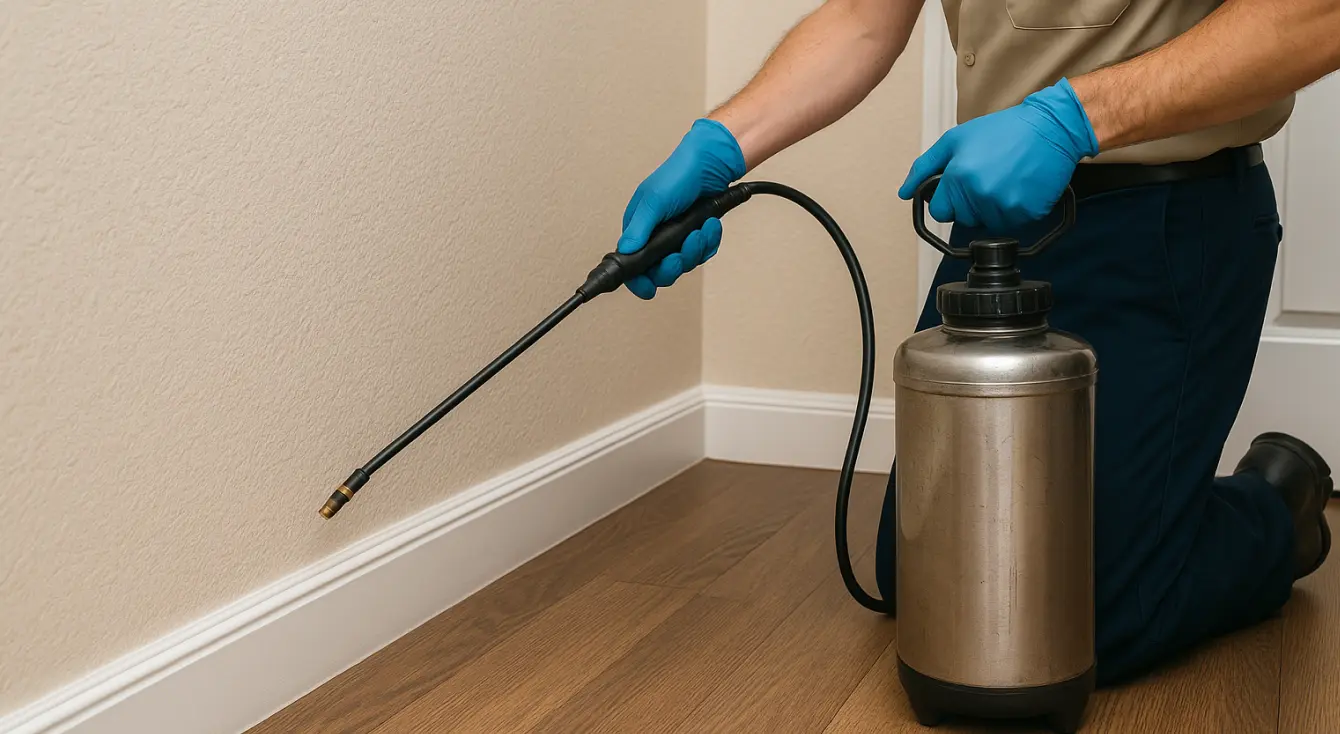
General pest control targets insects. Learn why scorpions survive sprays, where they hide, and what works to stop them for good.

Learn proven exclusion, yard fixes, indoor habits, and monitoring tips to keep scorpions out of your house—night and day.
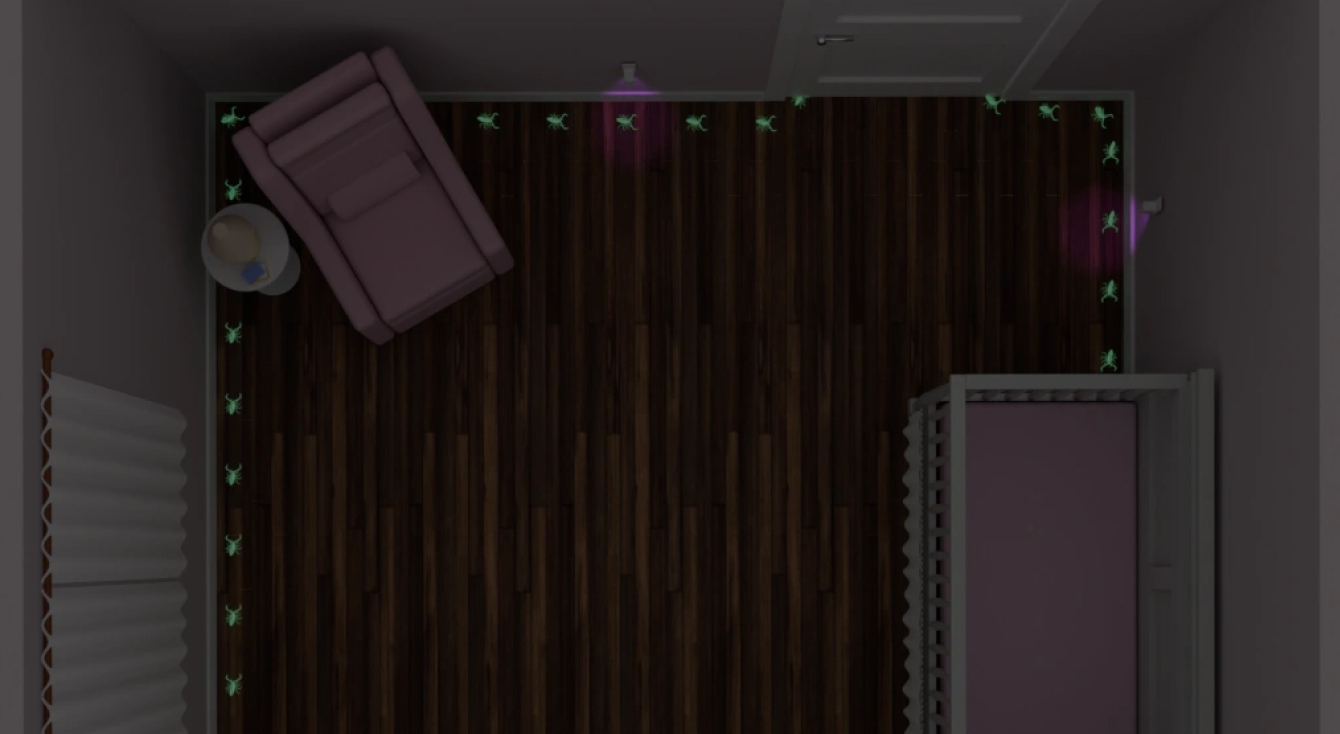
Learn how scorpion thigmotaxis predicts hiding spots—and how to place glue traps and perimeter detectors to spot scorpions faster.

Arizona renters: learn scorpion infestation rights, how to document evidence, and what to do if your landlord refuses to act.

A nursery-specific, step-by-step checklist to keep scorpions away from your baby’s crib—plus a nightly routine and emergency plan.

Reddit proves sprays alone don't work. Learn a 5-layer scorpion defense: food control, sealing, barriers, nightly hunts, and 24/7 alerts.

Learn what kills scorpions instantly, what doesn’t, and how to remove them safely—plus steps to keep scorpions out for good.

Learn how scorpions use pheromones, vibrations, and touch to communicate—and what their famous mating dance looks like.
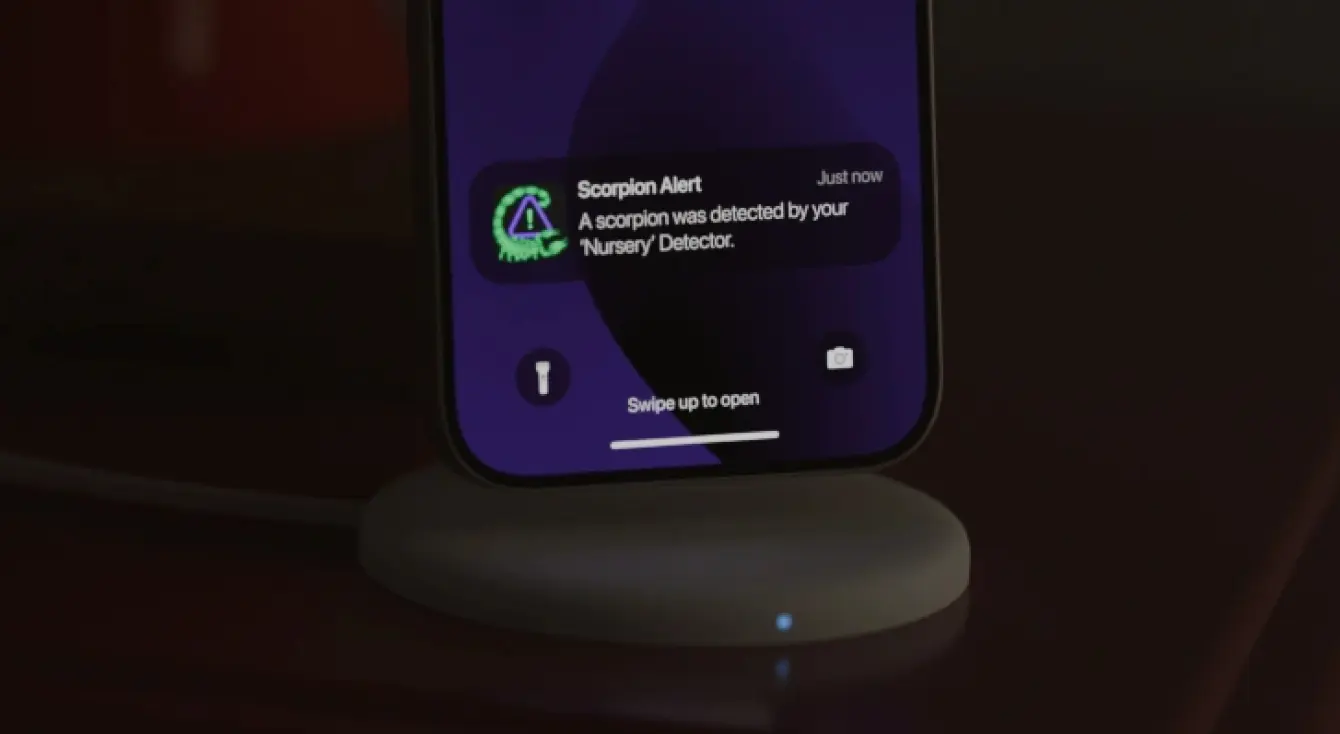
What Happens After You Get a Scorpion Alert?: Discover expert tips, practical answers, and smart scorpion safety strategies for your home.
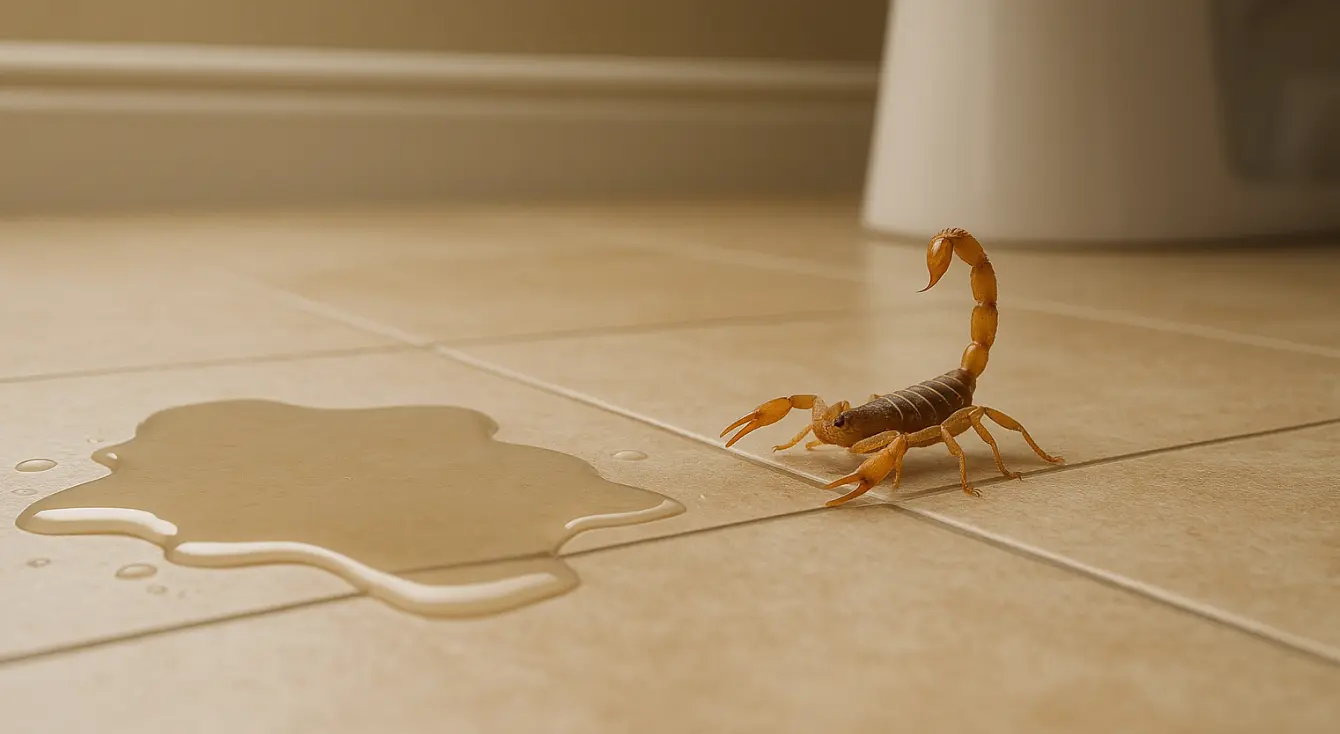
Spotting scorpions indoors? Learn the 5 biggest attractants—food, moisture, hiding spots, entry gaps, and yard clutter—plus fixes.
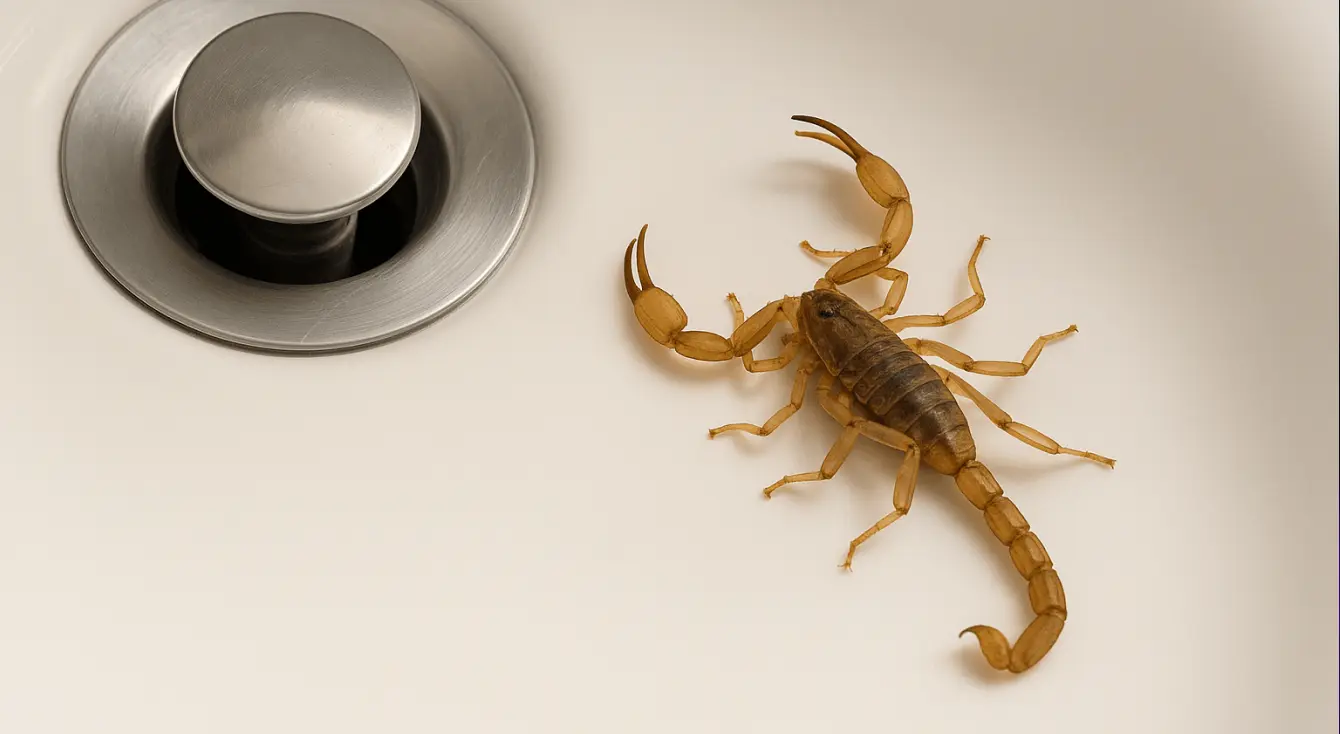
Can scorpions come up through drains? Learn the real pathways, common plumbing weak spots, and quick DIY steps to block them.

Scorpions can hide in cars, shoes, and beds. Learn why they choose these spots, how to check safely, and prevent repeats.

Learn the biology that makes scorpions return—survival tricks, entry habits, and why detection beats sprays and traps.
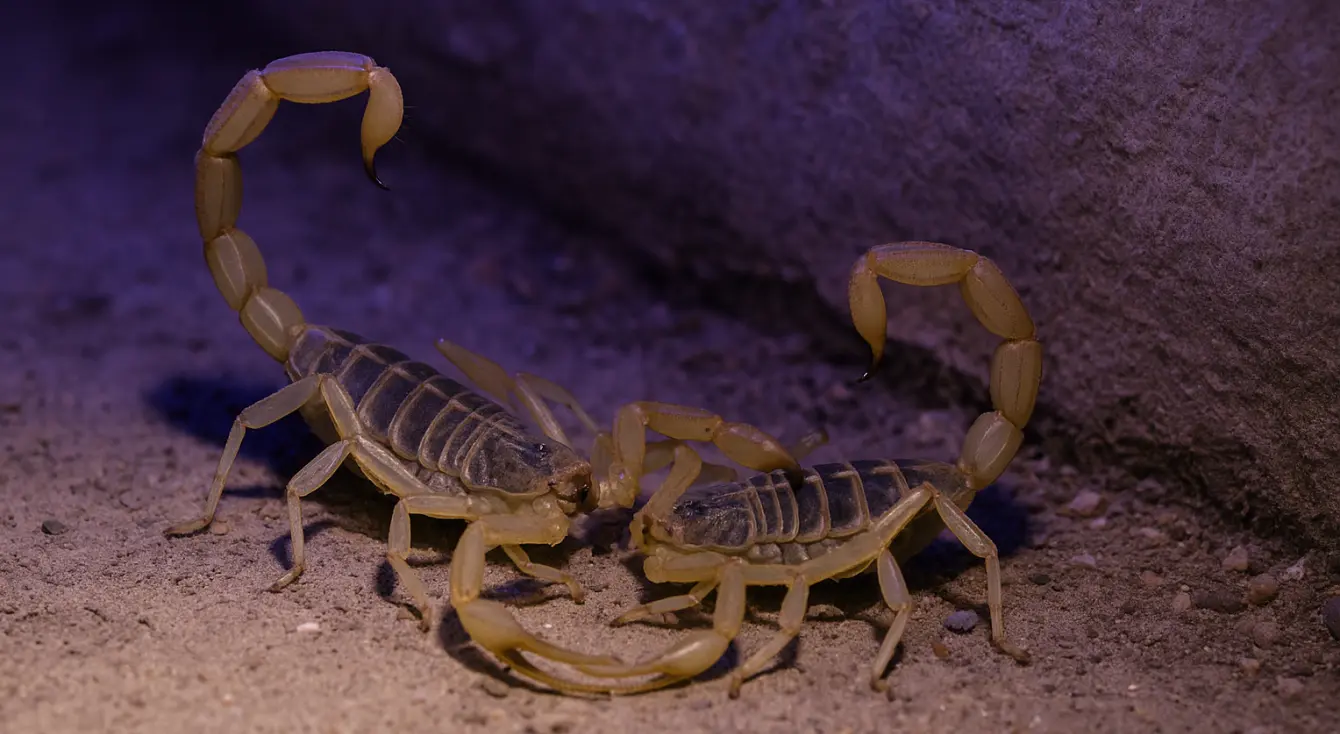
Learn when scorpion mating season peaks in the Southwest, why sightings surge, and steps to keep scorpions out of your home.

A desert-homeowner roundup of Amazon scorpion products using Reddit verdicts: what works, what’s mixed, and what to skip.
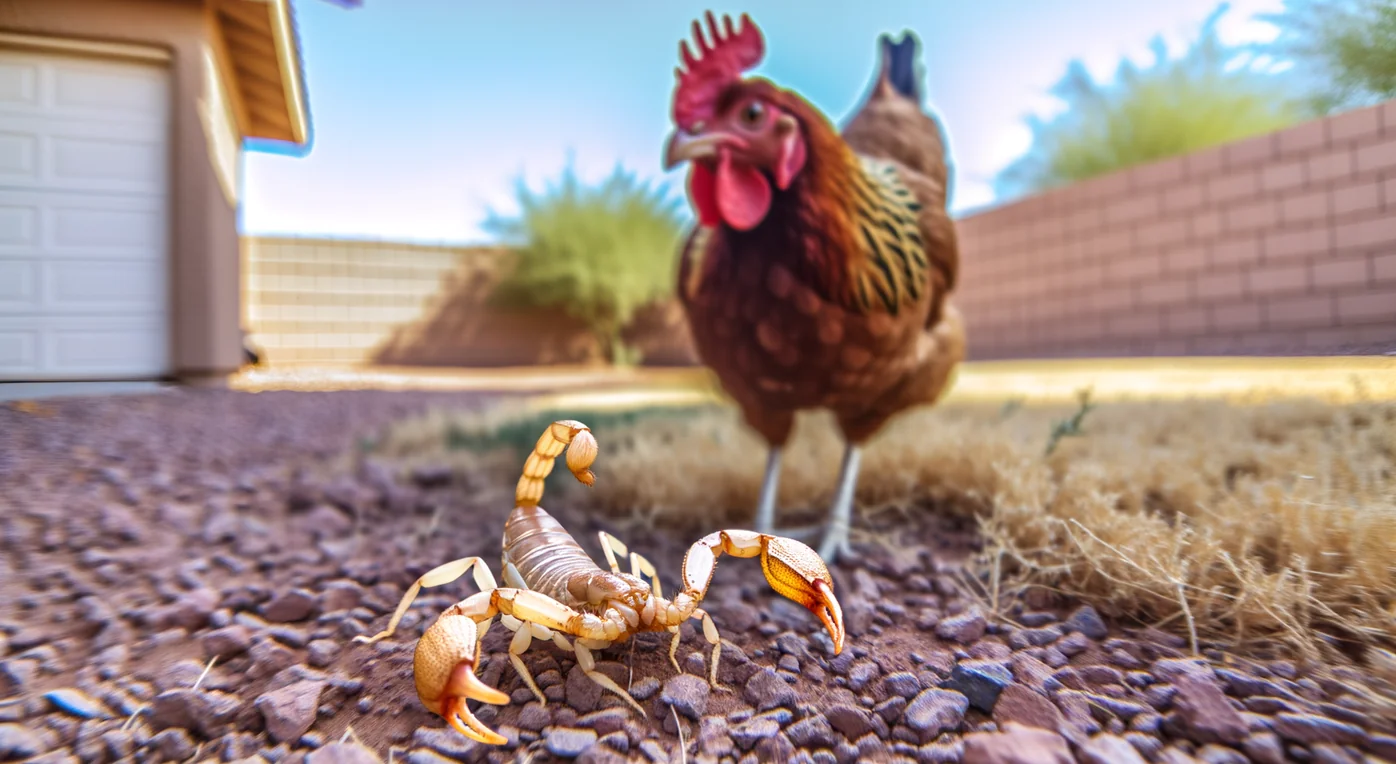
Can backyard chickens really reduce scorpions? Learn what they hunt, desert coop realities, HOA issues, and the best layered defense.
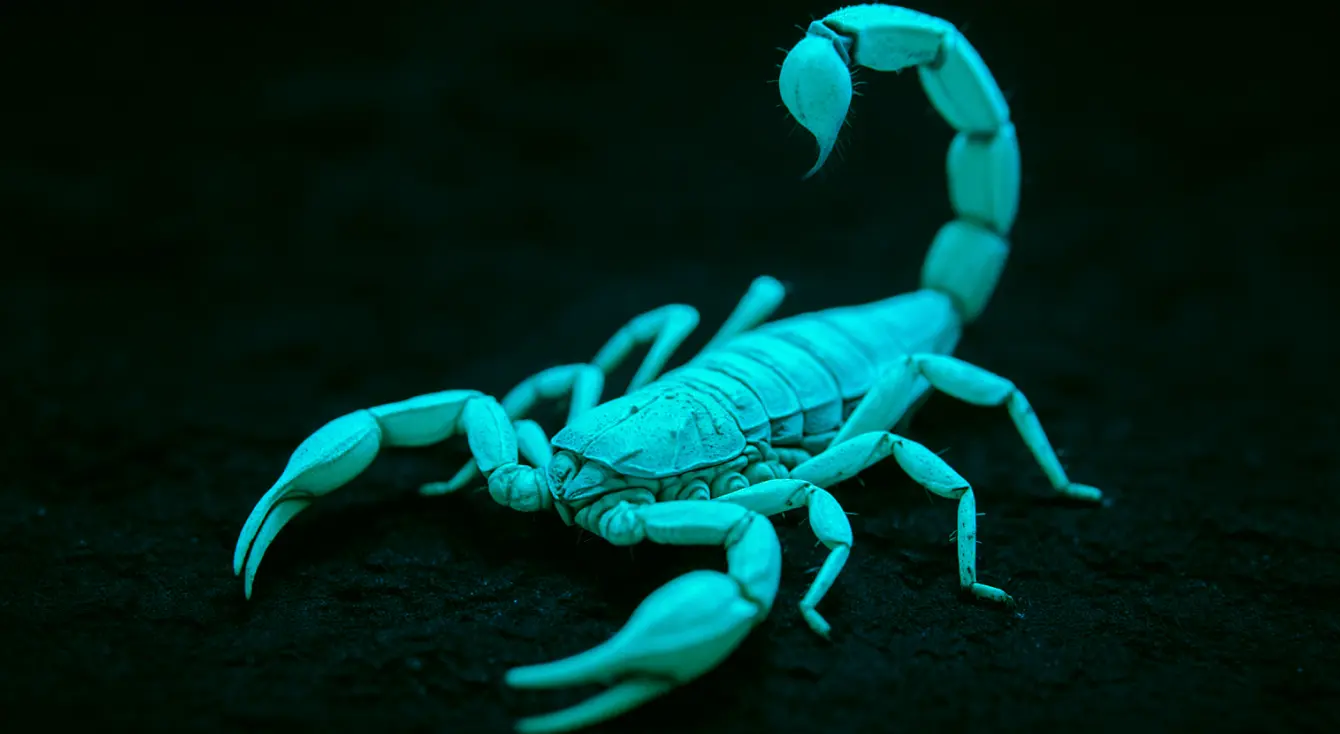
Why do scorpions glow under UV light? Learn the science, pick the best blacklight, and use the glow to find scorpions fast.
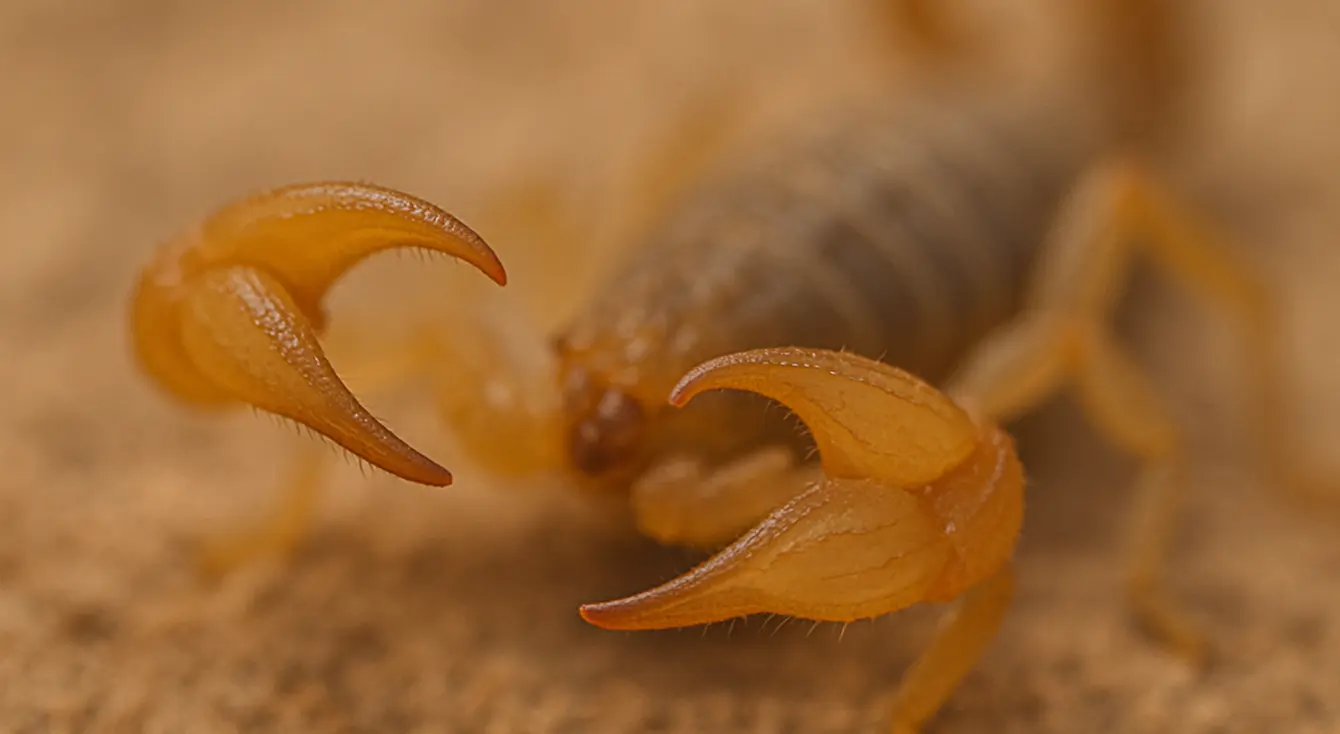
Learn what scorpion pincers do, how pincer size relates to venom, and what to do if you find a scorpion in your home.
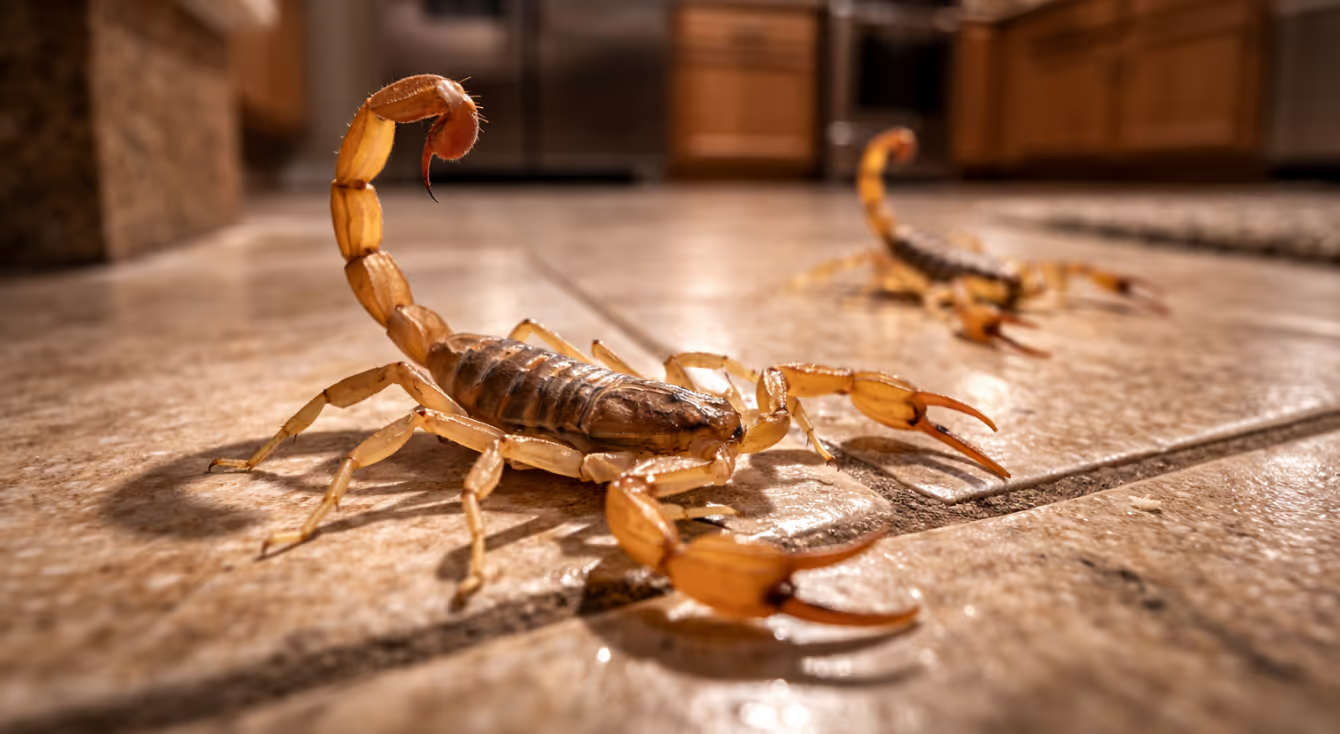
If you find one scorpion in your house, learn what it likely means, how to check for more, and what to do tonight to stay safe.

Children can react more severely to scorpion venom. Learn symptoms, when to go to ER, and how to prevent stings at home.

Moving to Phoenix soon? 10 desert-living surprises: brutal summers, monsoons, xeriscape yards, HOAs, traffic, costs, and scorpions.
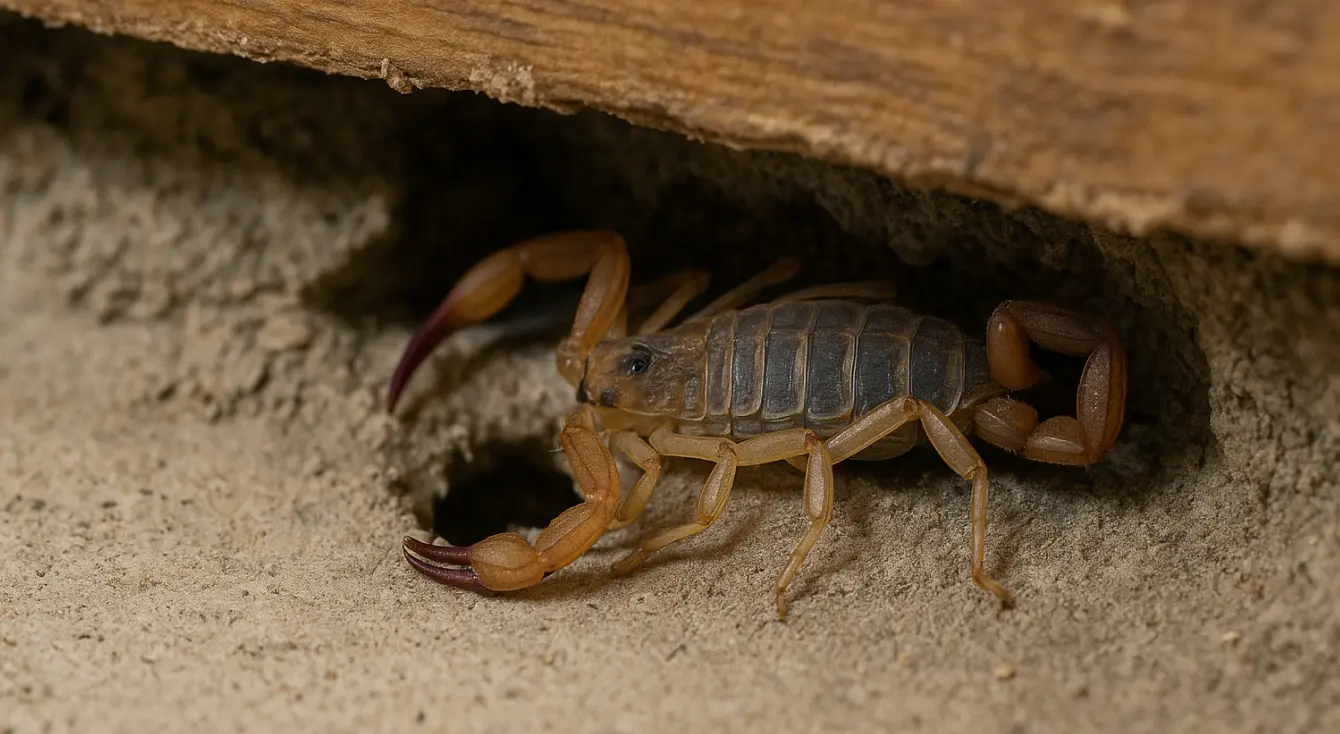
Learn how long scorpions can survive indoors, what keeps them alive, and how to confirm activity and prevent infestations.
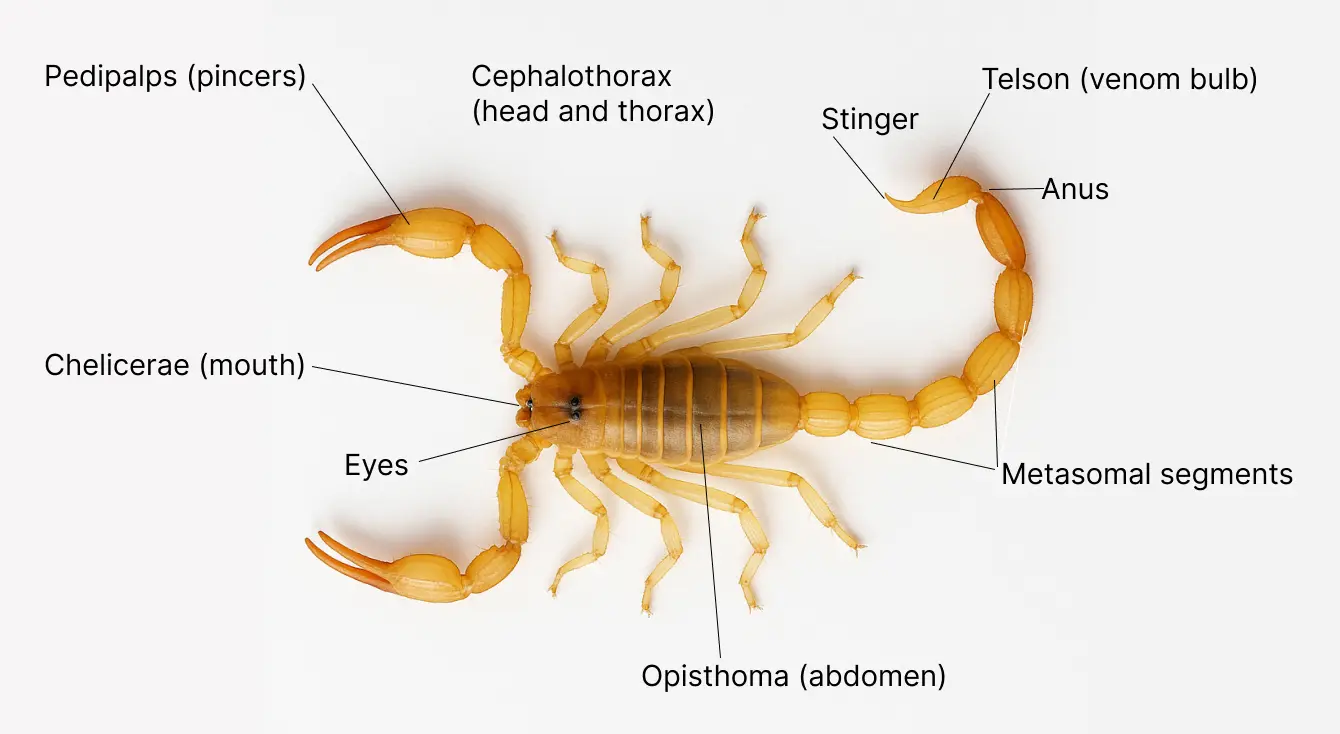
Scorpion anatomy made simple: body sections, pincers, pectines, and stinger—plus why UV light makes scorpions glow.
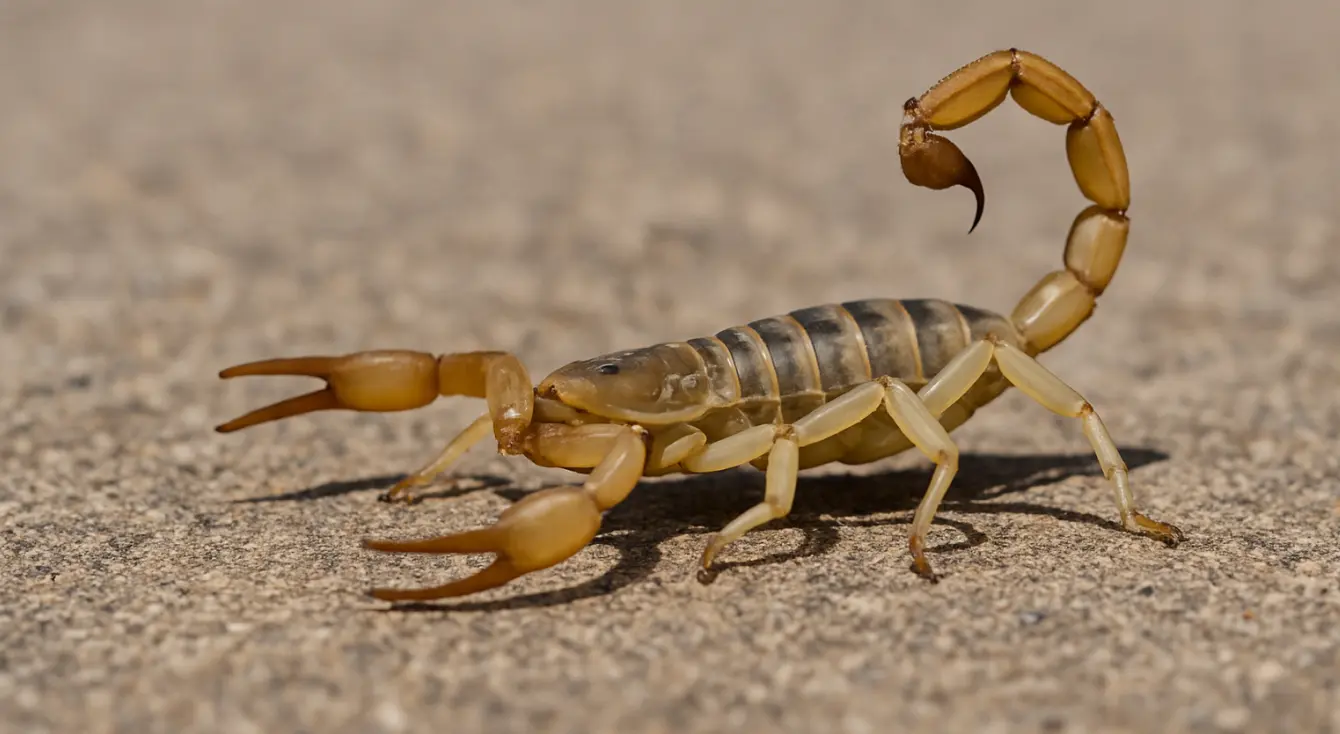
Most scorpions walk 3–4 mph but can sprint faster. Learn what affects speed, where they move quickest, and how to spot them.
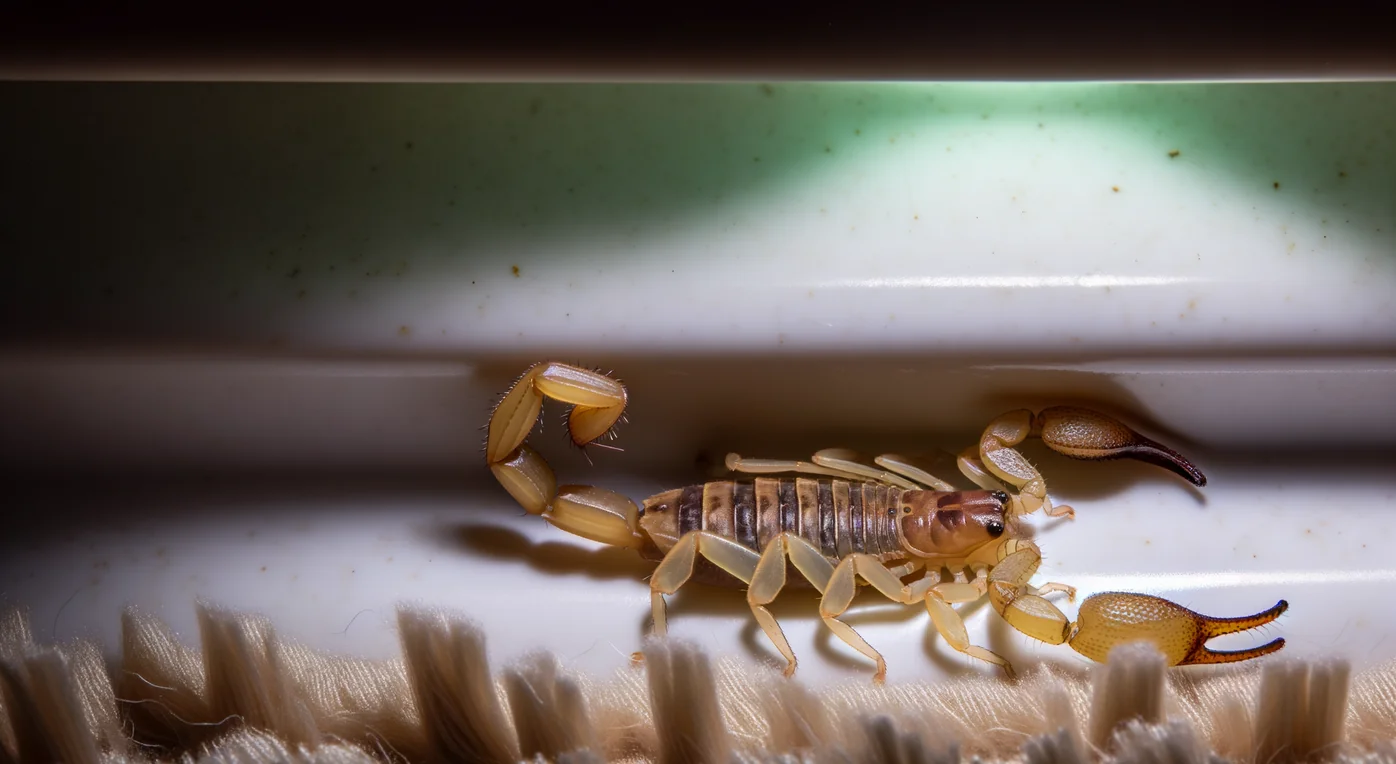
Learn common daytime scorpion hiding spots indoors, how to check them safely, and the best ways to keep scorpions out.
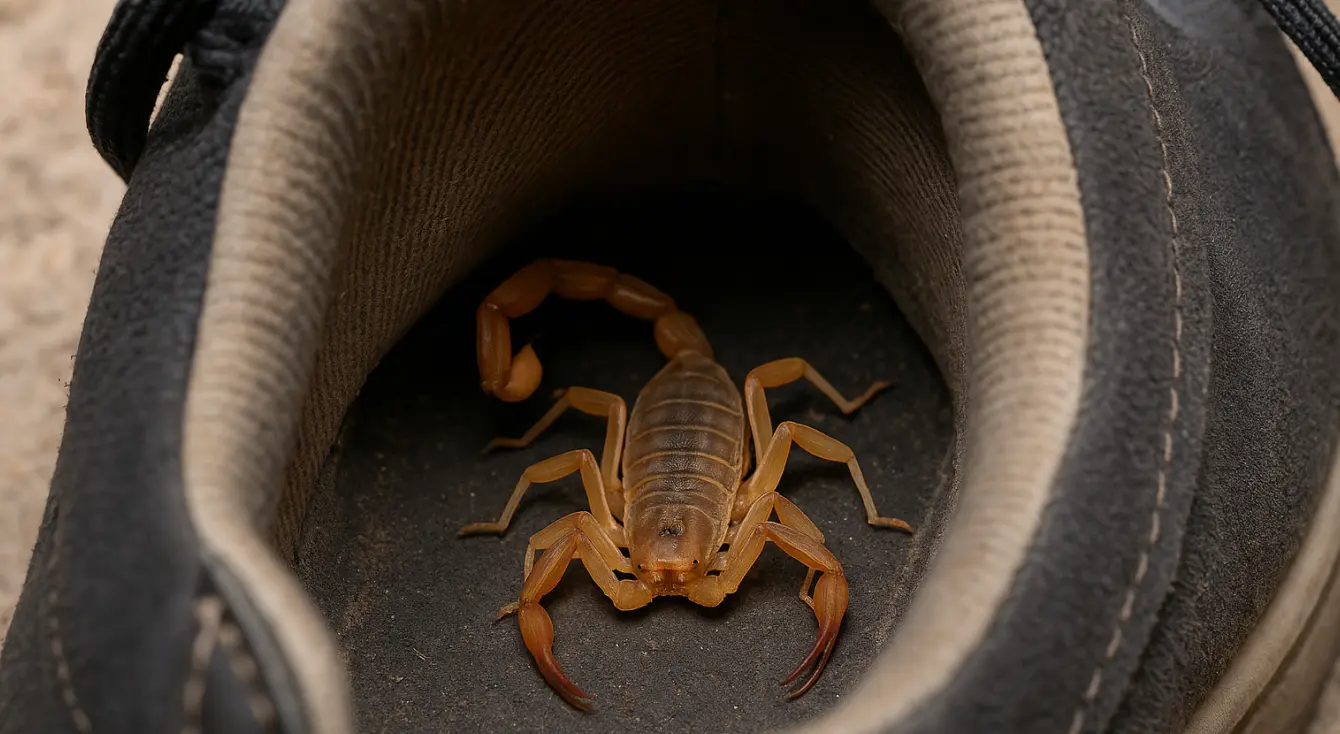
See a scorpion indoors? Learn how to trap or kill it safely, avoid stings, clean up, and prevent the next one.
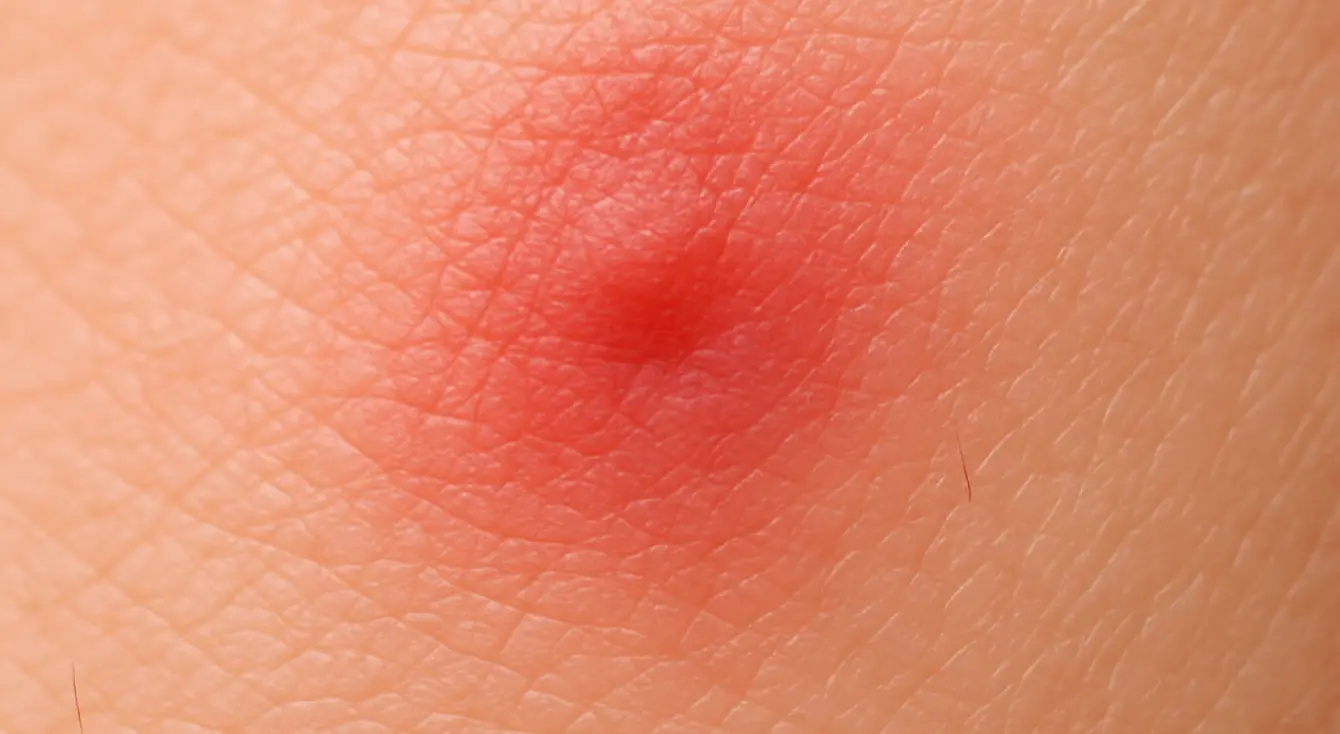
Learn how scorpion venom affects humans, from mild symptoms to severe reactions, and how to respond to a sting.

From ASU’s volunteer-run antivenom lab to today’s $29,000 hospital vial, the true story behind Arizona’s scorpion-sting cure.
Scorpions can hide in cars, shoes, and beds. Learn why they choose these spots, how to check safely, and prevent repeats.
Some scorpion stings are harmless, but others need emergency care—here’s how to know when to head to the ER fast.
Learn when scorpion mating season peaks in the Southwest, why sightings surge, and steps to keep scorpions out of your home.
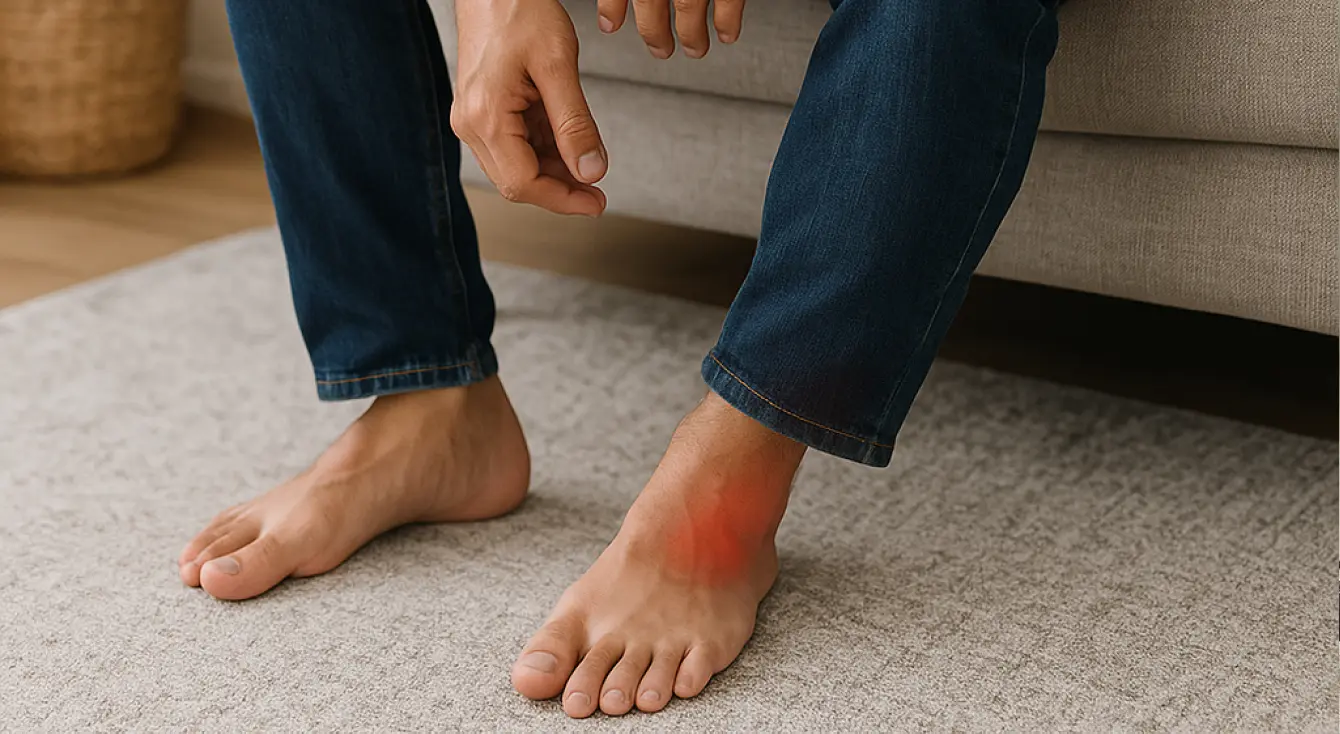
Learn which scorpion sting symptoms are normal, which are red flags, when to call Poison Control or 911, and how to prevent another sting.

Step-by-step scorpion sting first aid, key warning signs, and when to call Poison Control, urgent care, or 911.
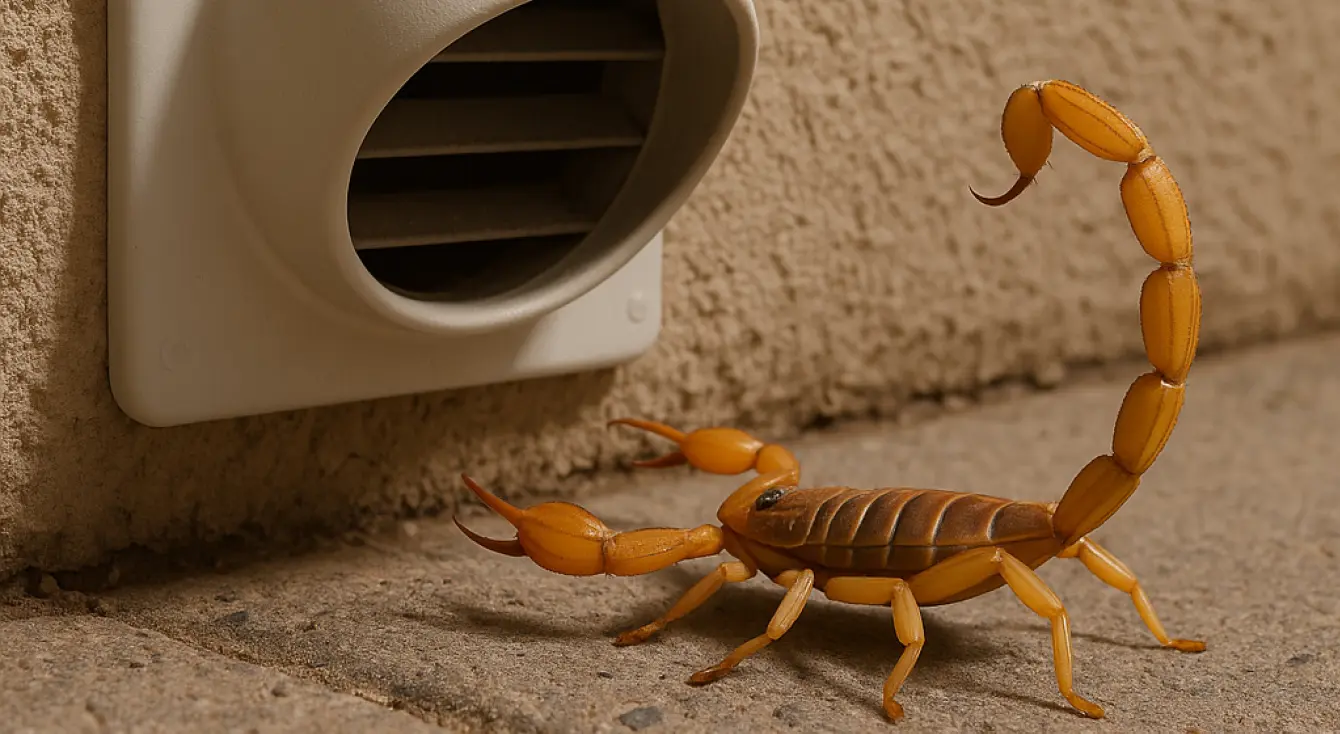
Discover the most common ways scorpions enter your home—and what you can do to discover and seal entry points.
Cy-Kick CS vs Demand CS for scorpions: active ingredients, residual, Reddit insights, dilution mistakes, and which to buy.
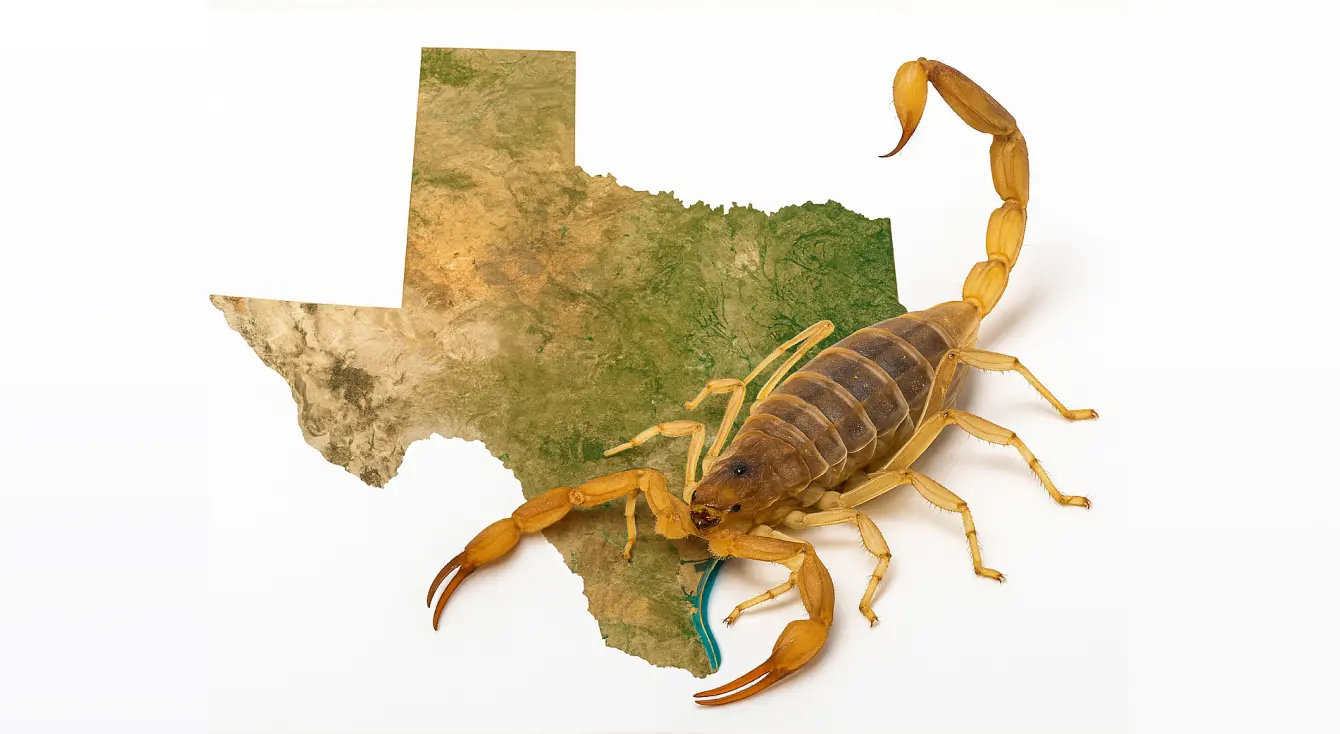
Learn the 3 scorpions Texans see most, how to ID them, where they hide, and practical steps to block entry and monitor at night.
Saw one scorpion indoors? Learn when it’s a one-time intruder vs a bigger problem—and the exact steps to inspect and monitor.
If you find one scorpion in your house, learn what it likely means, how to check for more, and what to do tonight to stay safe.
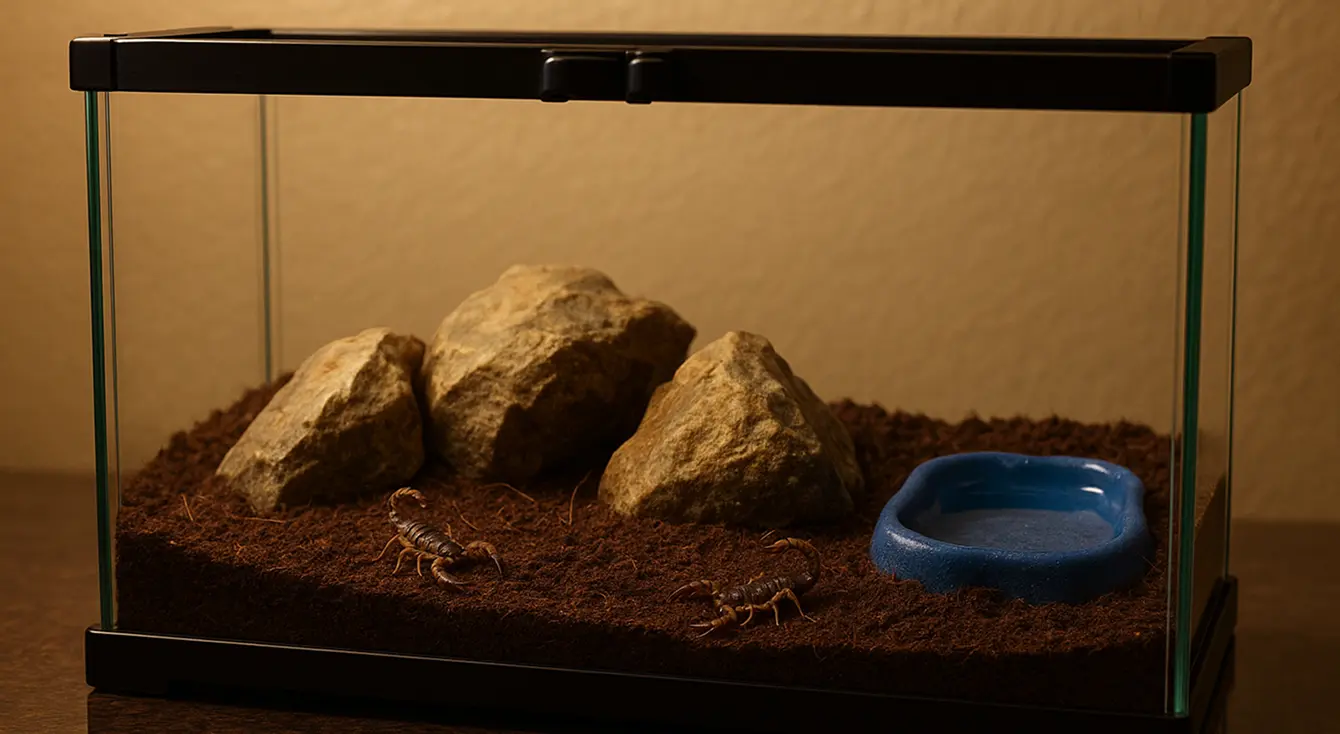
Thinking of a pet scorpion? Learn what’s legal, safest species, enclosure setup, sting risks, and what to do if one escapes.
General pest control targets insects. Learn why scorpions survive sprays, where they hide, and what works to stop them for good.
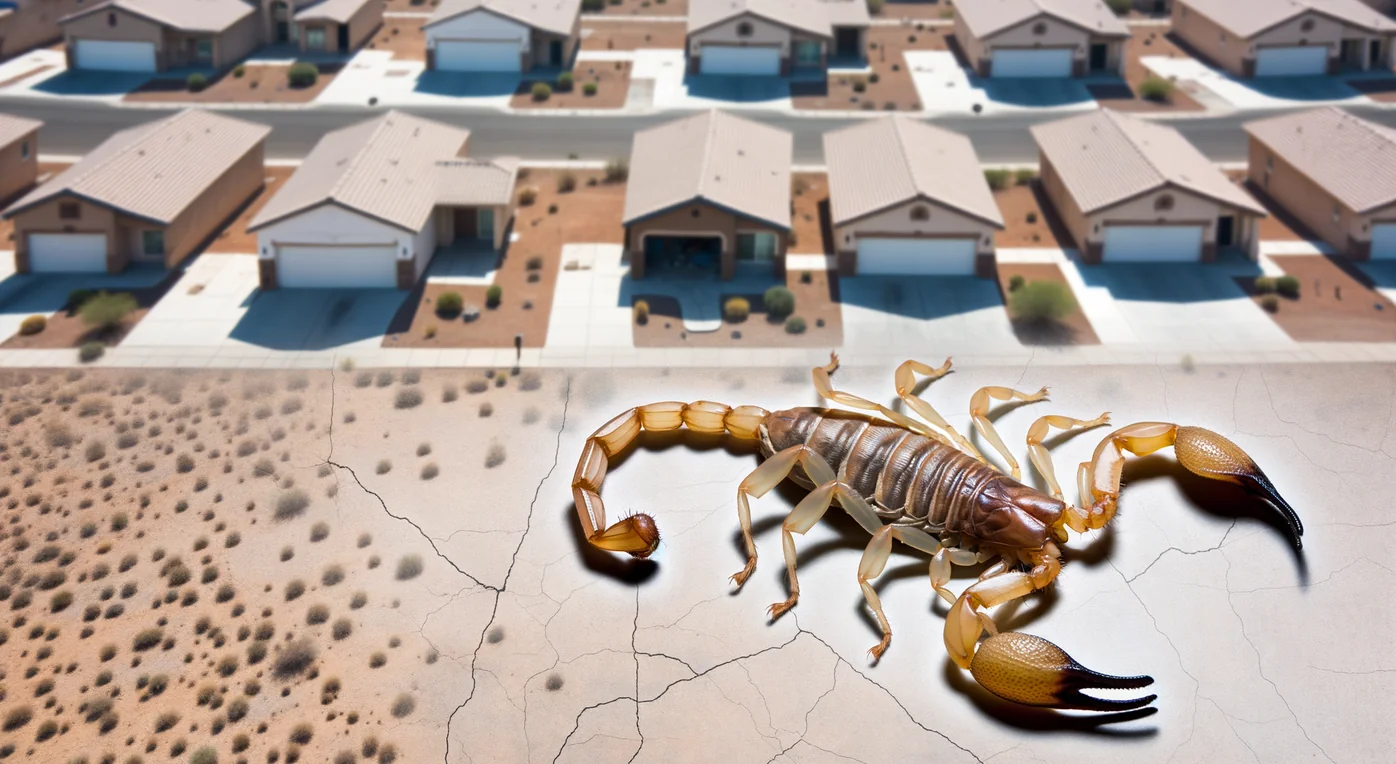
New homes aren’t scorpion-proof. Learn why desert-edge building drives scorpions indoors—and what to do before and after move-in.
Use a UV flashlight to scan hotels or Airbnbs for scorpions, check top hiding spots, and prevent stings overnight.
Looking for the best scorpion repellent? Learn what works, what doesn’t, and how to keep scorpions out with a layered plan.

Yes, scorpions can enter through AC vents. Learn how they navigate ductwork, warning signs to watch for, and proven prevention methods.
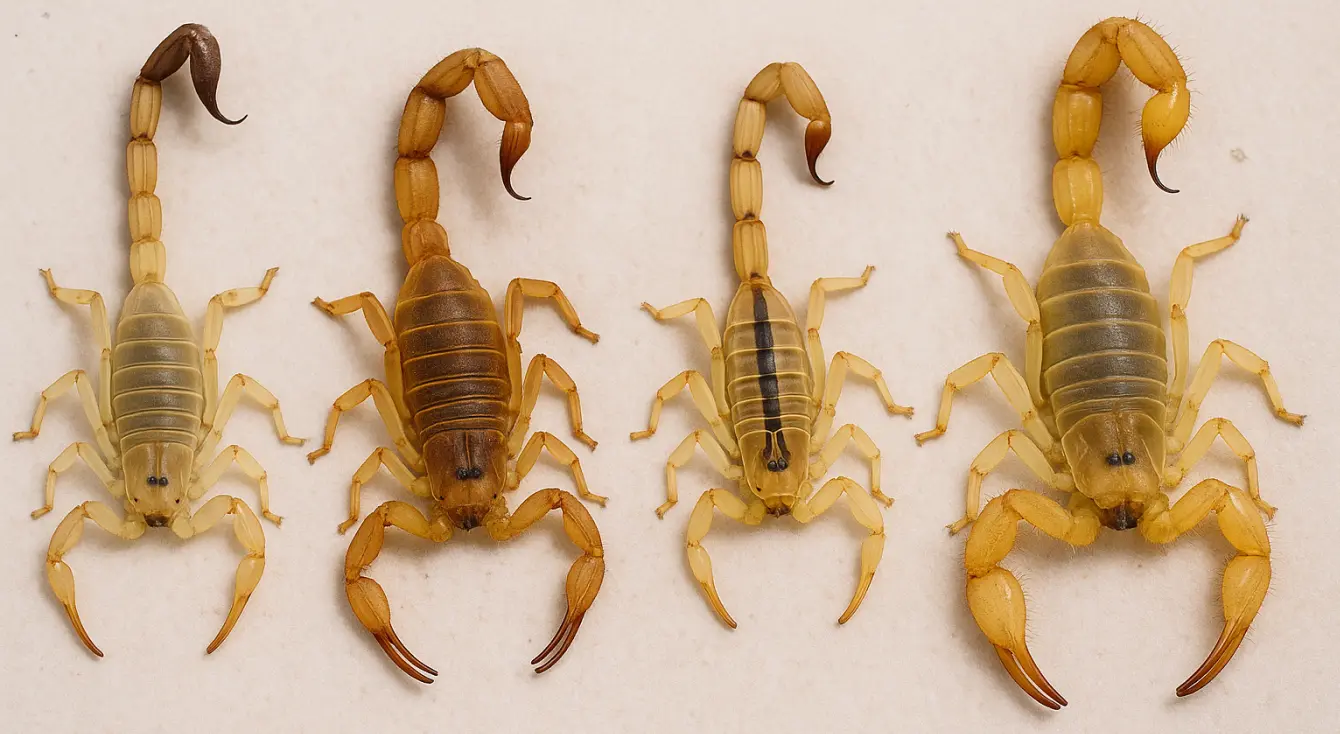
Safely identify scorpions in Southwest homes, including Arizona bark scorpions, with simple visual clues and UV tips.
Children can react more severely to scorpion venom. Learn symptoms, when to go to ER, and how to prevent stings at home.
Learn common daytime scorpion hiding spots indoors, how to check them safely, and the best ways to keep scorpions out.
Scorpions don’t vanish in winter. Learn where they hide, why they still show up indoors, and how to prevent surprise stings.

Strategic cleaning breaks the insect food chain that attracts scorpions. Learn where they hunt, when cleaning is dangerous, and habits that...
Comparing glue traps and Scorpion Detectors—find out which method gives you better protection and peace of mind.
Scorpion infestations come with more than just fear—they can hit your wallet hard. Learn about the financial and emotional toll.

Arizona scorpion season 2026 may start early. Get a month-by-month timeline, prep checklist, and peak-season tips for your home.
Reddit proves sprays alone don't work. Learn a 5-layer scorpion defense: food control, sealing, barriers, nightly hunts, and 24/7 alerts.
Learn how scorpion thigmotaxis predicts hiding spots—and how to place glue traps and perimeter detectors to spot scorpions faster.
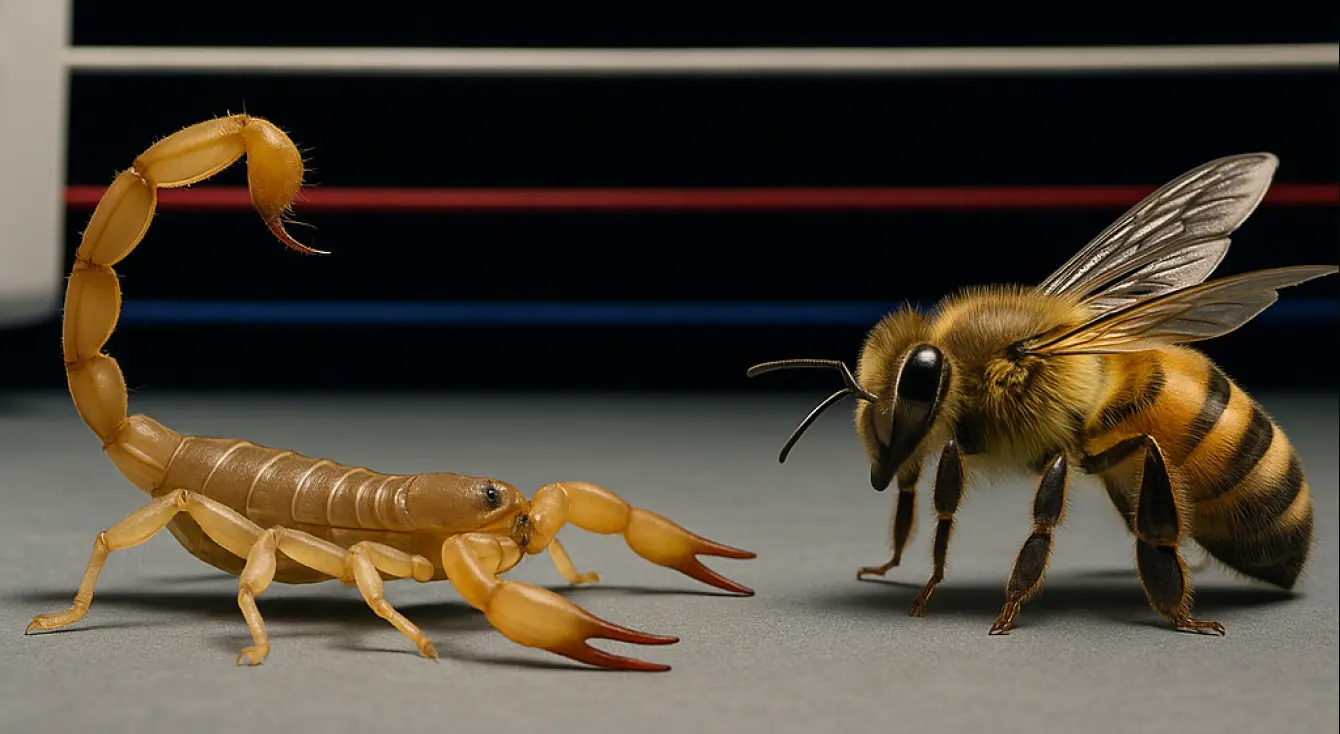
Bee sting or scorpion sting? Learn how pain, symptoms, and danger differ—plus when to get medical care and how to prevent stings.
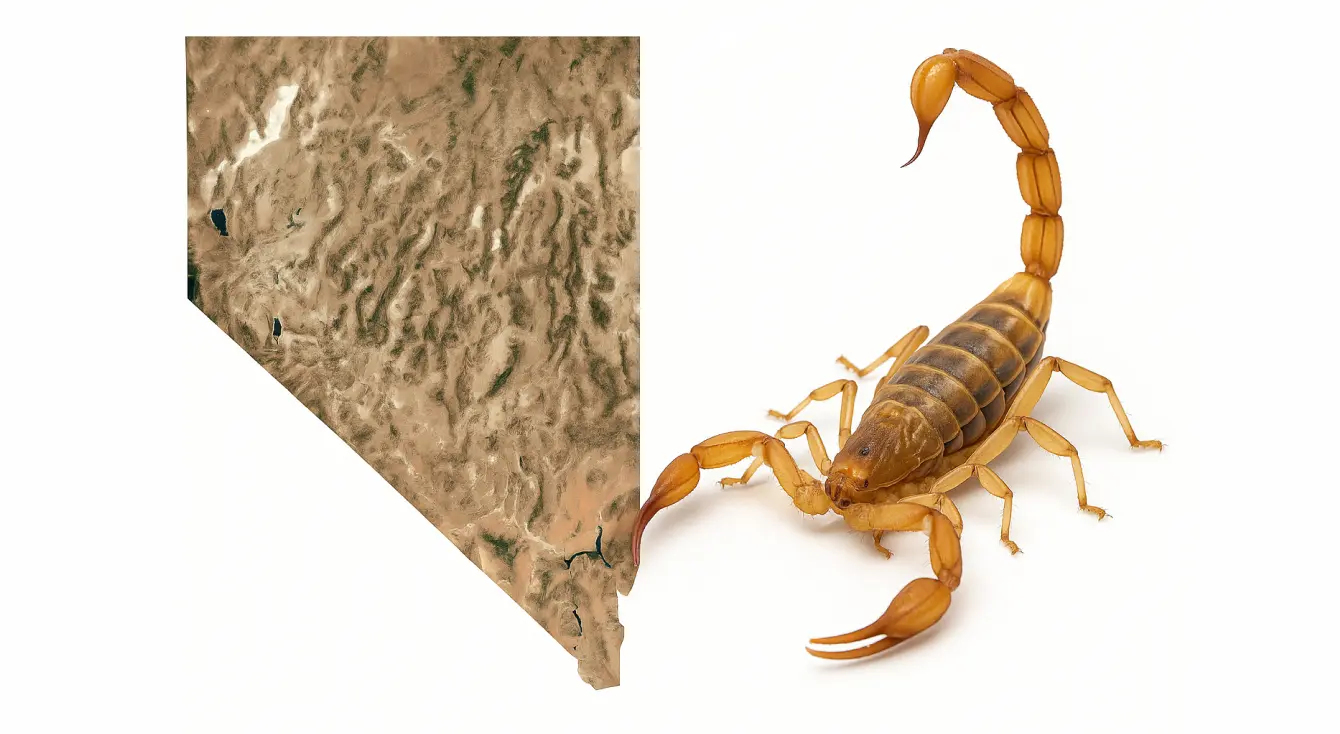
Identify Nevada’s most common scorpions, learn where they hide, how risky they are, and how to prevent them from entering your home.
A nursery-specific, step-by-step checklist to keep scorpions away from your baby’s crib—plus a nightly routine and emergency plan.

Step-by-step bark scorpion sting first aid for the first 30 minutes: what to do, what to avoid, and when to call 911 or Poison Control.

Protect toddlers from scorpion stings with targeted childproofing strategies. Learn crib safety, toy storage, and emergency response for Southwest...
Reddit is split: some cats hunt scorpions, others ignore them. Learn the risks, other predators, and a safer plan.
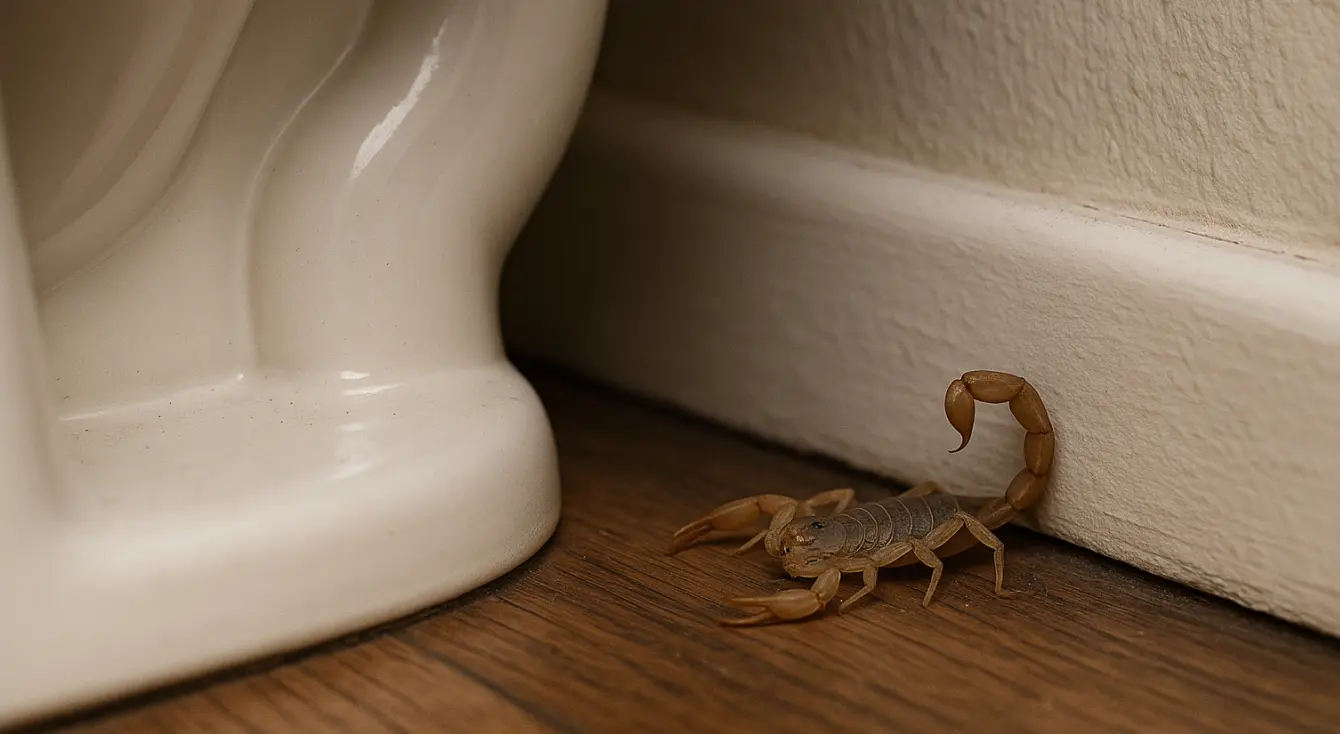
Discover the most common hiding spots for scorpions in your home—and how to check them without getting stung.
Learn proven exclusion, yard fixes, indoor habits, and monitoring tips to keep scorpions out of your house—night and day.

Think lavender or cinnamon keeps scorpions away? Here are the top myths that could leave your home unprotected.
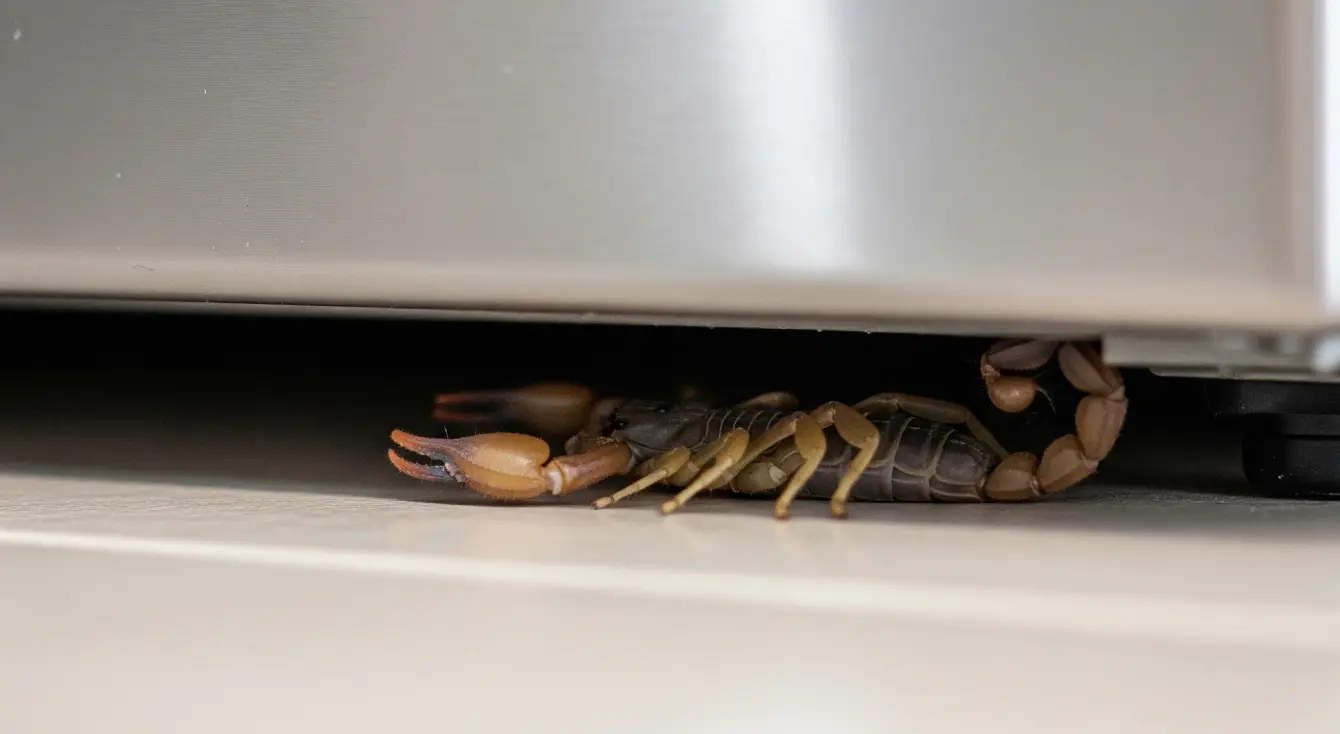
Avoid these common mistakes when you find a scorpion inside your house. Stay safe and respond smart.

Expecting moms in the Southwest face real risks from scorpion stings—here’s what research and OBs say about protecting yourself.
Learn how long scorpions can survive indoors, what keeps them alive, and how to confirm activity and prevent infestations.
Saw a scorpion indoors? Learn when one scorpion means others, how to check tonight with UV, and steps to keep them out.

Scorpions in Las Vegas are rising fast. Learn why, where they show up, and how homeowners and renters can protect their family.
Learn UV blacklight scorpion hunting basics—365nm lights, best timing, hotspots, and safety—plus how to automate it all night.
Learn the biology that makes scorpions return—survival tricks, entry habits, and why detection beats sprays and traps.
Learn how scorpions use pheromones, vibrations, and touch to communicate—and what their famous mating dance looks like.
Most scorpions walk 3–4 mph but can sprint faster. Learn what affects speed, where they move quickest, and how to spot them.

Learn what causes scorpions to enter homes: food, water, shelter, and entry gaps—plus sealing, cleanup, and monitoring to stop them.
Can backyard chickens really reduce scorpions? Learn what they hunt, desert coop realities, HOA issues, and the best layered defense.
Why do scorpions glow under UV light? Learn the science, pick the best blacklight, and use the glow to find scorpions fast.
Learn what kills scorpions instantly, what doesn’t, and how to remove them safely—plus steps to keep scorpions out for good.
.webp)
Learn the most common California scorpions, where they live, how to identify them, and practical steps to keep them out of your home.
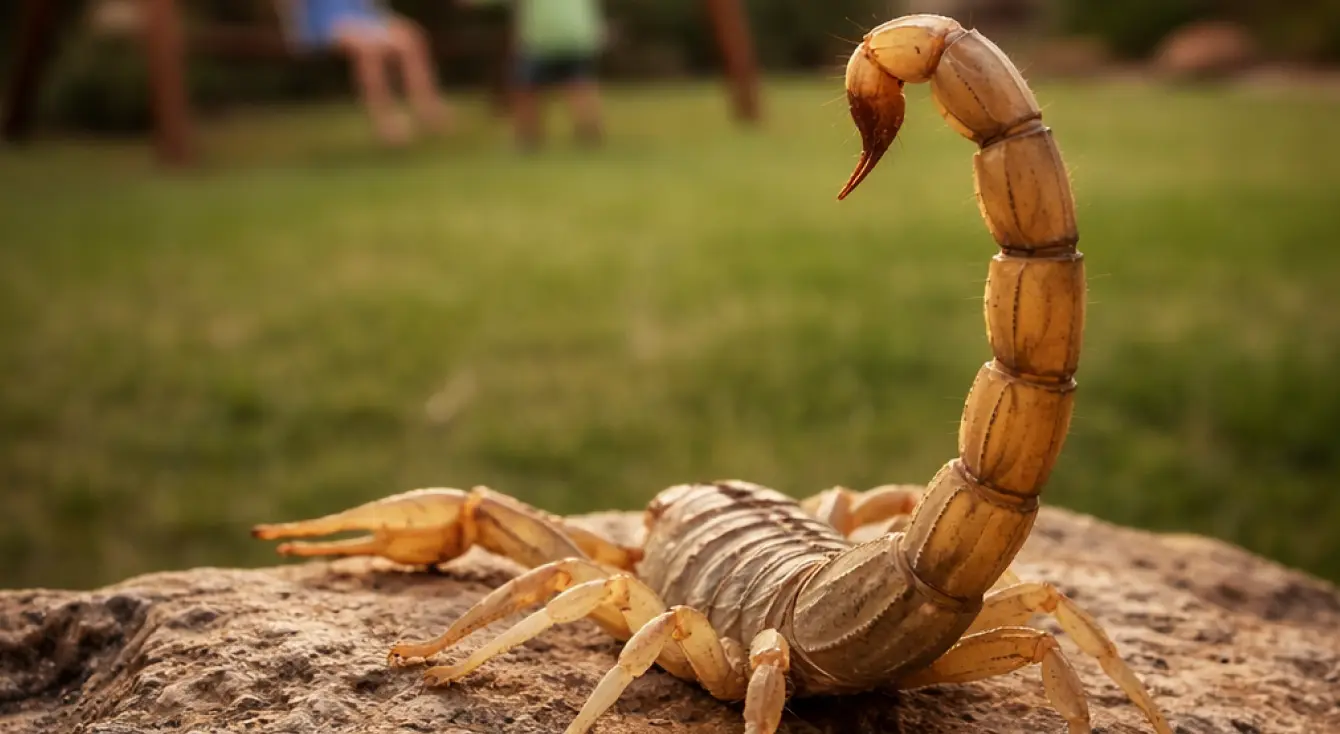
Learn what keeps away scorpions with practical yard fixes, sealing tips, trap pros/cons, and smarter monitoring to keep scorpions out.

Just moved to Arizona? Learn what to do before move-in, week 1, and all year to prevent scorpions—and what to do when you find one.
Can scorpions come up through drains? Learn the real pathways, common plumbing weak spots, and quick DIY steps to block them.

See scorpion sting symptoms in dogs, what to do fast, when to call the vet, and how to prevent future stings at home.
Stop scorpions before they get inside: seal gaps, reduce yard harborage, cut moisture, and use smart monitoring for fast night alerts.
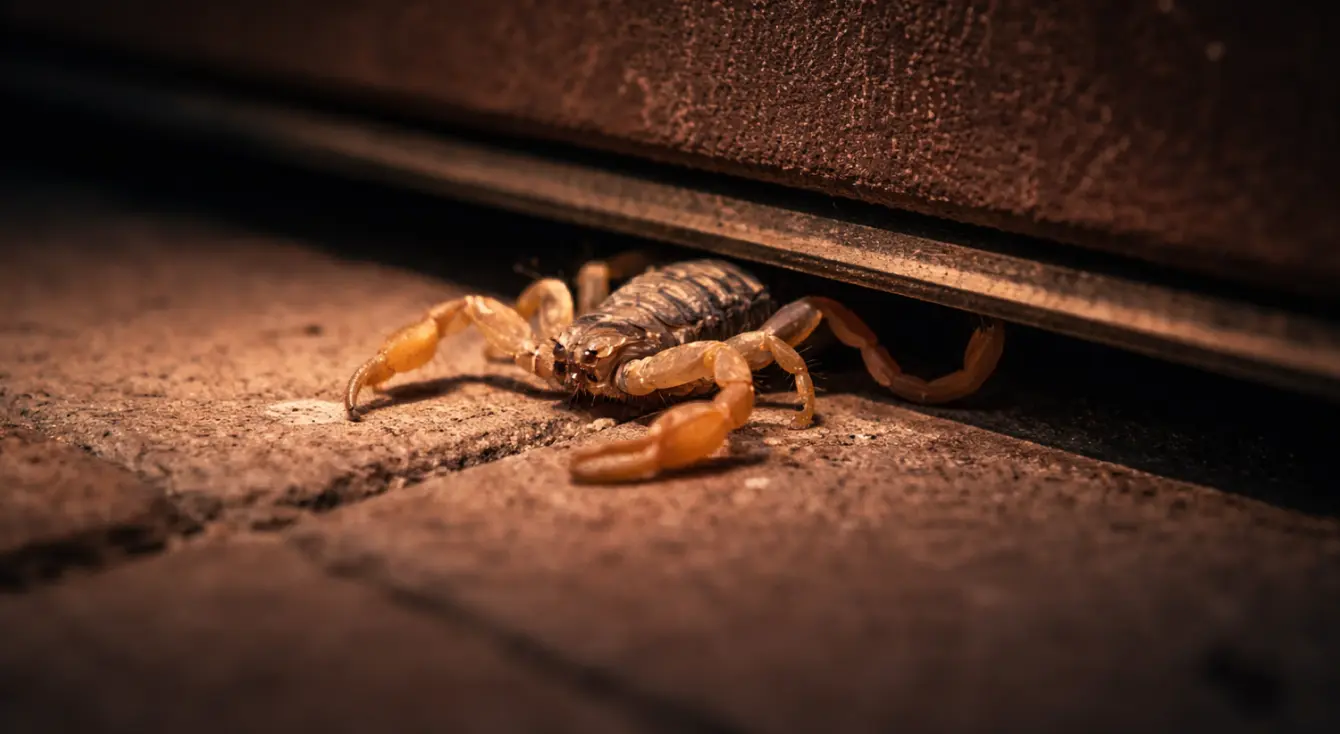
Top 3 Tips for Preventing Scorpions: seal gaps, reduce bugs and moisture, and monitor nighttime activity to keep scorpions out.
A desert-homeowner roundup of Amazon scorpion products using Reddit verdicts: what works, what’s mixed, and what to skip.
Learn safe, practical ways to trap and remove a scorpion indoors, what not to do, and how to reduce the chance of another.
Scorpion anatomy made simple: body sections, pincers, pectines, and stinger—plus why UV light makes scorpions glow.
Learn what scorpion pincers do, how pincer size relates to venom, and what to do if you find a scorpion in your home.

Bark scorpion stings can be serious, especially for kids. Here’s what hospitals do to treat them and when to seek help.
Scorpions do have eyes, but their vision is weak. Learn how they navigate in darkness and how homeowners can spot and monitor them.

Learn which scents may deter scorpions, what’s myth vs reality, and the best ways to keep scorpions out of your house.
Spotting scorpions indoors? Learn the 5 biggest attractants—food, moisture, hiding spots, entry gaps, and yard clutter—plus fixes.
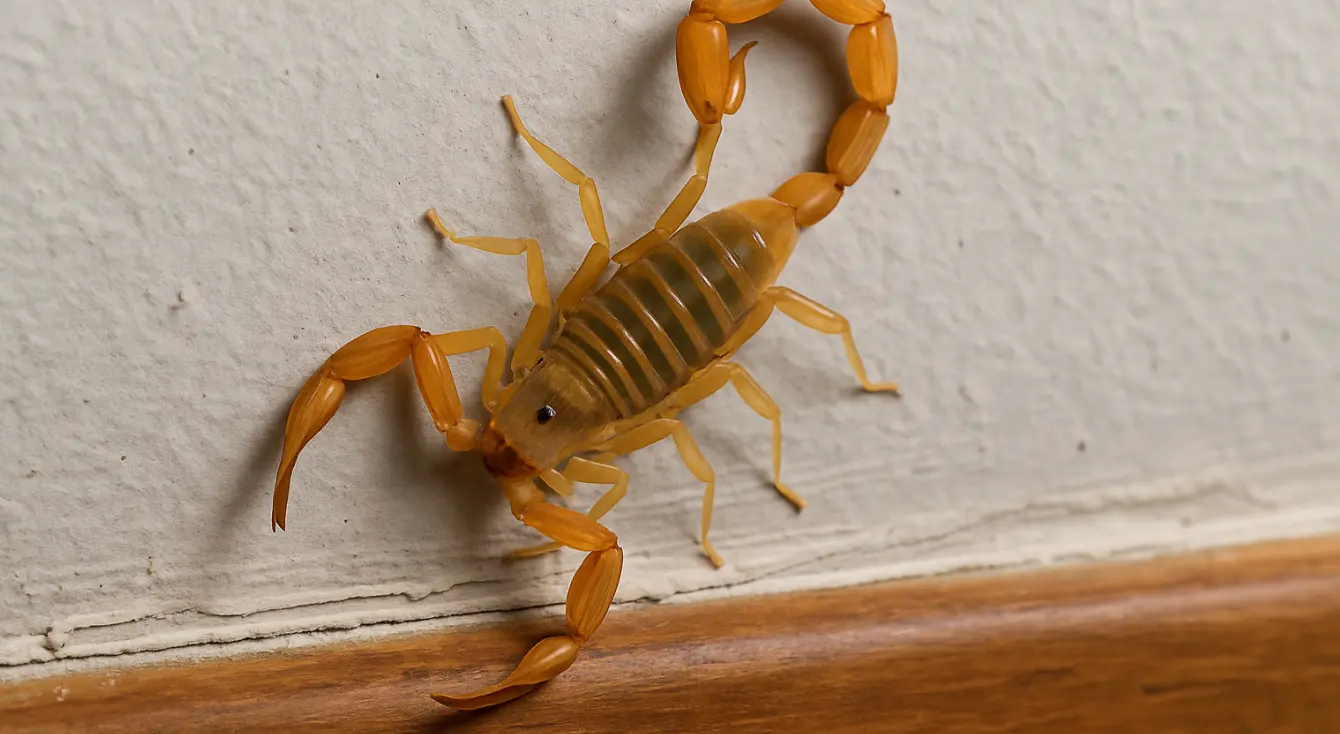
Can scorpions climb walls, beds, and ceilings? Learn which species do, why they climb, and how to keep bedrooms safer.
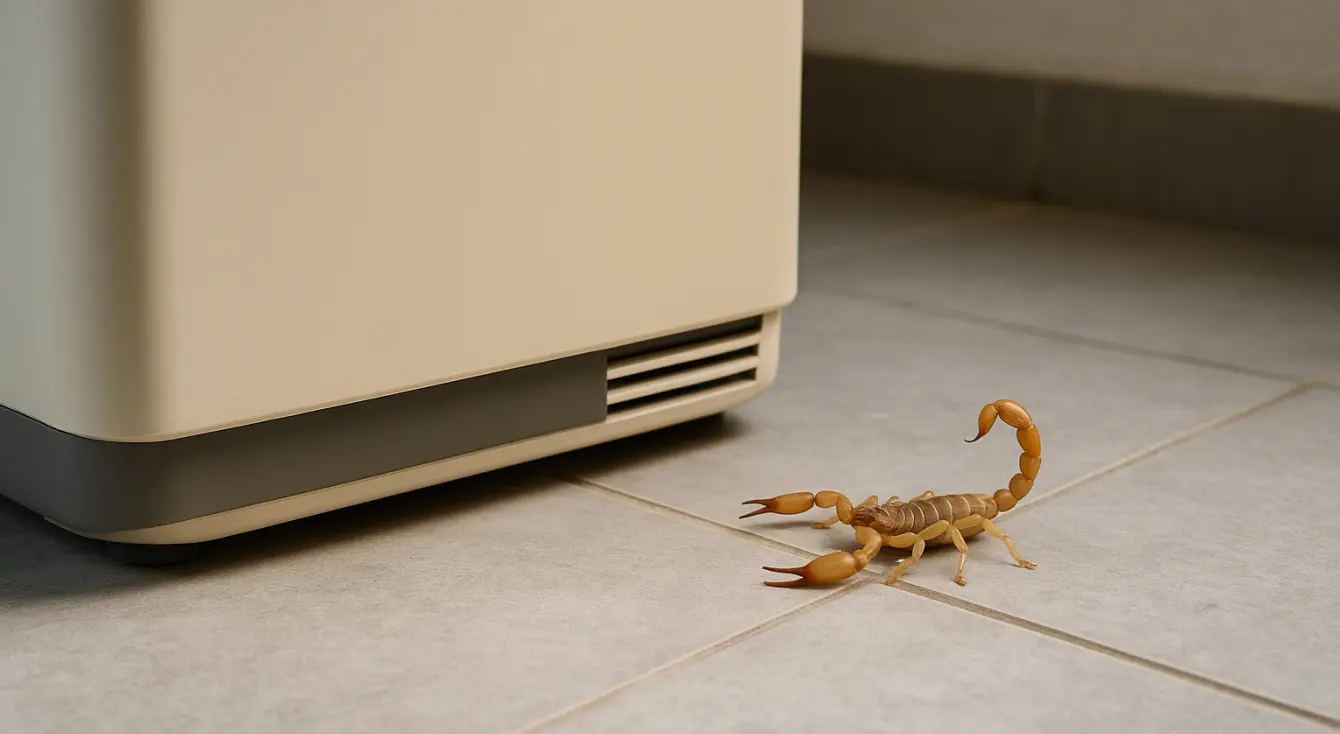
Discover whether adjusting indoor humidity levels can make your home less inviting to scorpions and what actually works to keep them out.
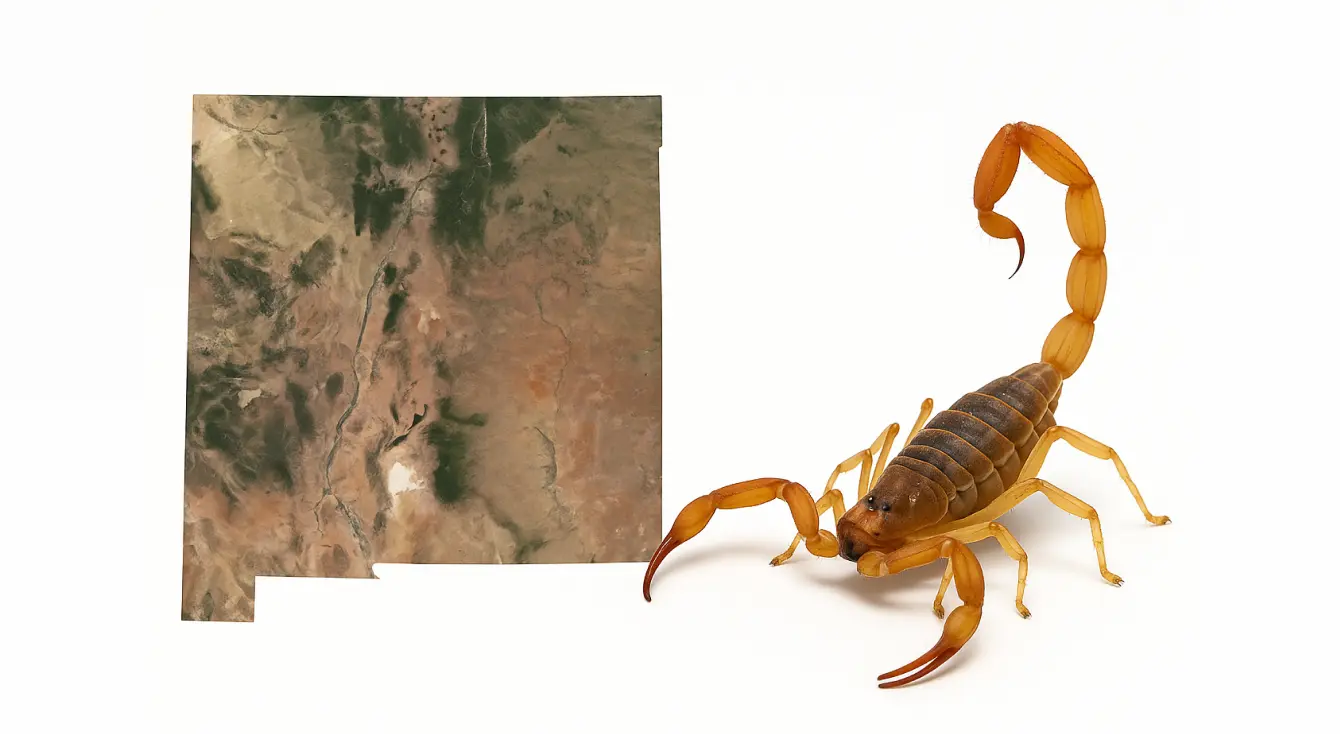
Identify New Mexico’s most common scorpions, learn where they hide, how risky stings are, and how to keep them out of your home.
Learn whether diatomaceous earth kills scorpions, where to apply it safely, and why it works best as a backup in a bigger plan.
Yes—baby scorpions ride on mom’s back. Learn what it means, how to remove her safely, and how to prevent a scattered brood.
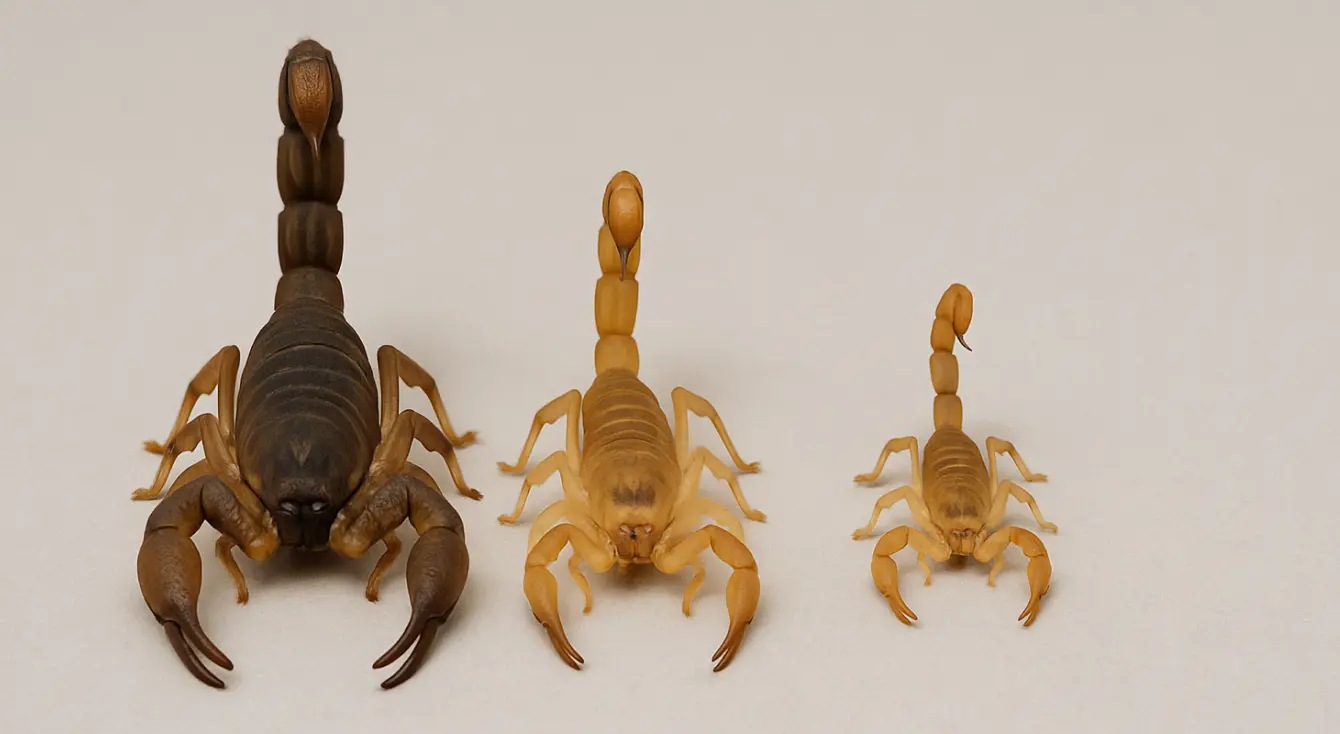
Small scorpions can be riskier in the Southwest. Learn which species sting hardest, what size means, and how to stay safe at home.

Arizona sellers: learn what scorpion activity must be disclosed, how to document treatment, and keep buyers from walking away.

When a scorpion stings your baby, every second counts. Learn the critical steps, warning signs, and why infants face extreme risk from scorpion venom.
Scorpions in Las Vegas are rising fast. Learn why, where they show up, and how homeowners and renters can protect their family.
Reddit is split: some cats hunt scorpions, others ignore them. Learn the risks, other predators, and a safer plan.
Scorpion anatomy made simple: body sections, pincers, pectines, and stinger—plus why UV light makes scorpions glow.
Expecting moms in the Southwest face real risks from scorpion stings—here’s what research and OBs say about protecting yourself.
Learn UV blacklight scorpion hunting basics—365nm lights, best timing, hotspots, and safety—plus how to automate it all night.
Arizona sellers: learn what scorpion activity must be disclosed, how to document treatment, and keep buyers from walking away.
Learn which scorpion sting symptoms are normal, which are red flags, when to call Poison Control or 911, and how to prevent another sting.

Small bodies and slower reactions put kids in real danger from scorpion stings—here’s what Southwest parents need to know.
Reddit proves sprays alone don't work. Learn a 5-layer scorpion defense: food control, sealing, barriers, nightly hunts, and 24/7 alerts.
Children can react more severely to scorpion venom. Learn symptoms, when to go to ER, and how to prevent stings at home.
Saw a scorpion indoors? Learn when one scorpion means others, how to check tonight with UV, and steps to keep them out.
Learn how long scorpions can survive indoors, what keeps them alive, and how to confirm activity and prevent infestations.
Learn how scorpion thigmotaxis predicts hiding spots—and how to place glue traps and perimeter detectors to spot scorpions faster.
Discover the most common ways scorpions enter your home—and what you can do to discover and seal entry points.
Learn which scents may deter scorpions, what’s myth vs reality, and the best ways to keep scorpions out of your house.
Arizona renters: learn scorpion infestation rights, how to document evidence, and what to do if your landlord refuses to act.
See scorpion sting symptoms in dogs, what to do fast, when to call the vet, and how to prevent future stings at home.
Learn what causes scorpions to enter homes: food, water, shelter, and entry gaps—plus sealing, cleanup, and monitoring to stop them.
Safely identify scorpions in Southwest homes, including Arizona bark scorpions, with simple visual clues and UV tips.
Why do scorpions glow under UV light? Learn the science, pick the best blacklight, and use the glow to find scorpions fast.
Can scorpions come up through drains? Learn the real pathways, common plumbing weak spots, and quick DIY steps to block them.
Learn safe, practical ways to trap and remove a scorpion indoors, what not to do, and how to reduce the chance of another.
Arizona scorpion season 2026 may start early. Get a month-by-month timeline, prep checklist, and peak-season tips for your home.
Learn the biology that makes scorpions return—survival tricks, entry habits, and why detection beats sprays and traps.
Moving to Phoenix soon? 10 desert-living surprises: brutal summers, monsoons, xeriscape yards, HOAs, traffic, costs, and scorpions.
See a scorpion indoors? Learn how to trap or kill it safely, avoid stings, clean up, and prevent the next one.
Learn how scorpions use pheromones, vibrations, and touch to communicate—and what their famous mating dance looks like.
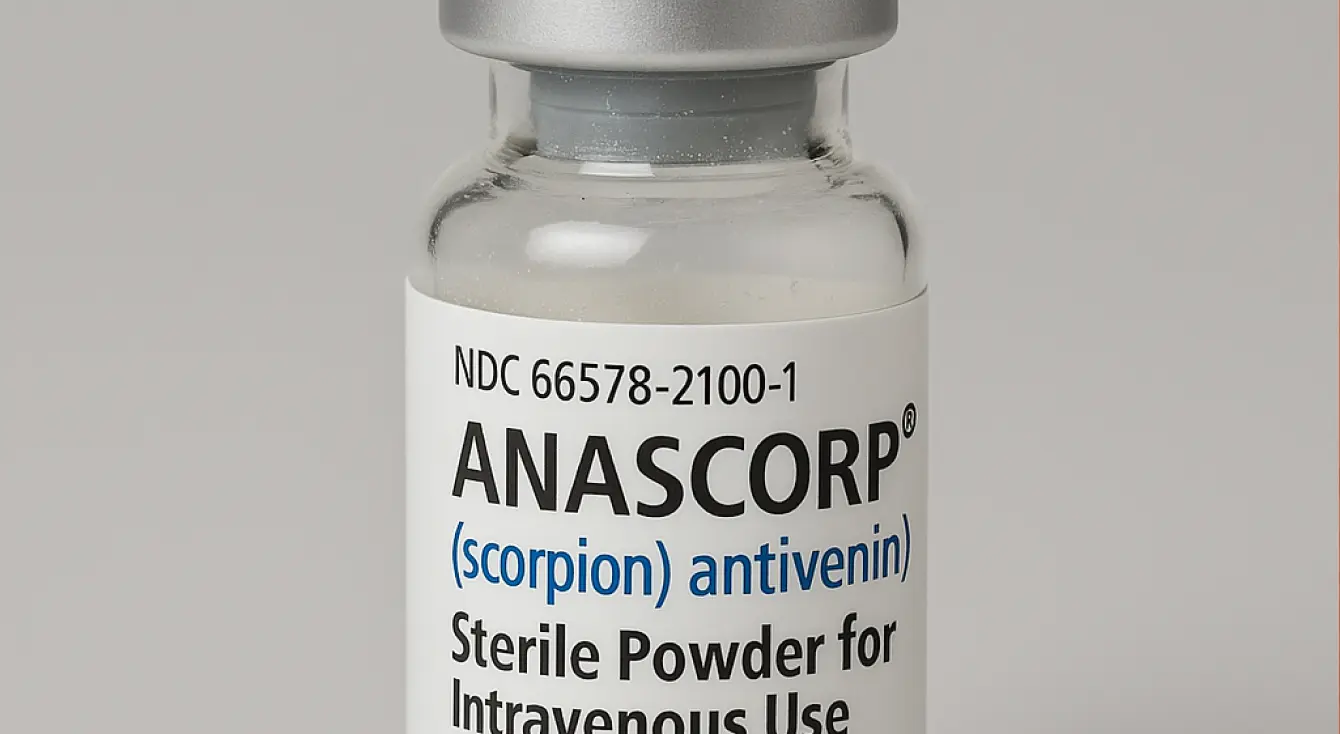
Yes, scorpion anti-venom exists. Learn more about who needs it, how it works, and where it's available.
Scorpions don’t vanish in winter. Learn where they hide, why they still show up indoors, and how to prevent surprise stings.
Stop scorpions before they get inside: seal gaps, reduce yard harborage, cut moisture, and use smart monitoring for fast night alerts.
Yes—baby scorpions ride on mom’s back. Learn what it means, how to remove her safely, and how to prevent a scattered brood.
Yes, scorpions can enter through AC vents. Learn how they navigate ductwork, warning signs to watch for, and proven prevention methods.
General pest control targets insects. Learn why scorpions survive sprays, where they hide, and what works to stop them for good.
Learn what kills scorpions instantly, what doesn’t, and how to remove them safely—plus steps to keep scorpions out for good.
A nursery-specific, step-by-step checklist to keep scorpions away from your baby’s crib—plus a nightly routine and emergency plan.
Learn proven exclusion, yard fixes, indoor habits, and monitoring tips to keep scorpions out of your house—night and day.
Learn how scorpion venom affects humans, from mild symptoms to severe reactions, and how to respond to a sting.
Just moved to Arizona? Learn what to do before move-in, week 1, and all year to prevent scorpions—and what to do when you find one.
Scorpions do have eyes, but their vision is weak. Learn how they navigate in darkness and how homeowners can spot and monitor them.
Top 3 Tips for Preventing Scorpions: seal gaps, reduce bugs and moisture, and monitor nighttime activity to keep scorpions out.
Think lavender or cinnamon keeps scorpions away? Here are the top myths that could leave your home unprotected.
Bark scorpion stings can be serious, especially for kids. Here’s what hospitals do to treat them and when to seek help.
Use a UV flashlight to scan hotels or Airbnbs for scorpions, check top hiding spots, and prevent stings overnight.
Strategic cleaning breaks the insect food chain that attracts scorpions. Learn where they hunt, when cleaning is dangerous, and habits that...
Learn common daytime scorpion hiding spots indoors, how to check them safely, and the best ways to keep scorpions out.
If you find one scorpion in your house, learn what it likely means, how to check for more, and what to do tonight to stay safe.
Learn what scorpion pincers do, how pincer size relates to venom, and what to do if you find a scorpion in your home.
Cy-Kick CS vs Demand CS for scorpions: active ingredients, residual, Reddit insights, dilution mistakes, and which to buy.
Bee sting or scorpion sting? Learn how pain, symptoms, and danger differ—plus when to get medical care and how to prevent stings.
Step-by-step bark scorpion sting first aid for the first 30 minutes: what to do, what to avoid, and when to call 911 or Poison Control.
Small scorpions can be riskier in the Southwest. Learn which species sting hardest, what size means, and how to stay safe at home.
When a scorpion stings your baby, every second counts. Learn the critical steps, warning signs, and why infants face extreme risk from scorpion venom.
Most scorpions walk 3–4 mph but can sprint faster. Learn what affects speed, where they move quickest, and how to spot them.
Learn whether diatomaceous earth kills scorpions, where to apply it safely, and why it works best as a backup in a bigger plan.
Can scorpions climb walls, beds, and ceilings? Learn which species do, why they climb, and how to keep bedrooms safer.
Spotting scorpions indoors? Learn the 5 biggest attractants—food, moisture, hiding spots, entry gaps, and yard clutter—plus fixes.
Scorpions can hide in cars, shoes, and beds. Learn why they choose these spots, how to check safely, and prevent repeats.
New homes aren’t scorpion-proof. Learn why desert-edge building drives scorpions indoors—and what to do before and after move-in.
Saw one scorpion indoors? Learn when it’s a one-time intruder vs a bigger problem—and the exact steps to inspect and monitor.
Looking for the best scorpion repellent? Learn what works, what doesn’t, and how to keep scorpions out with a layered plan.
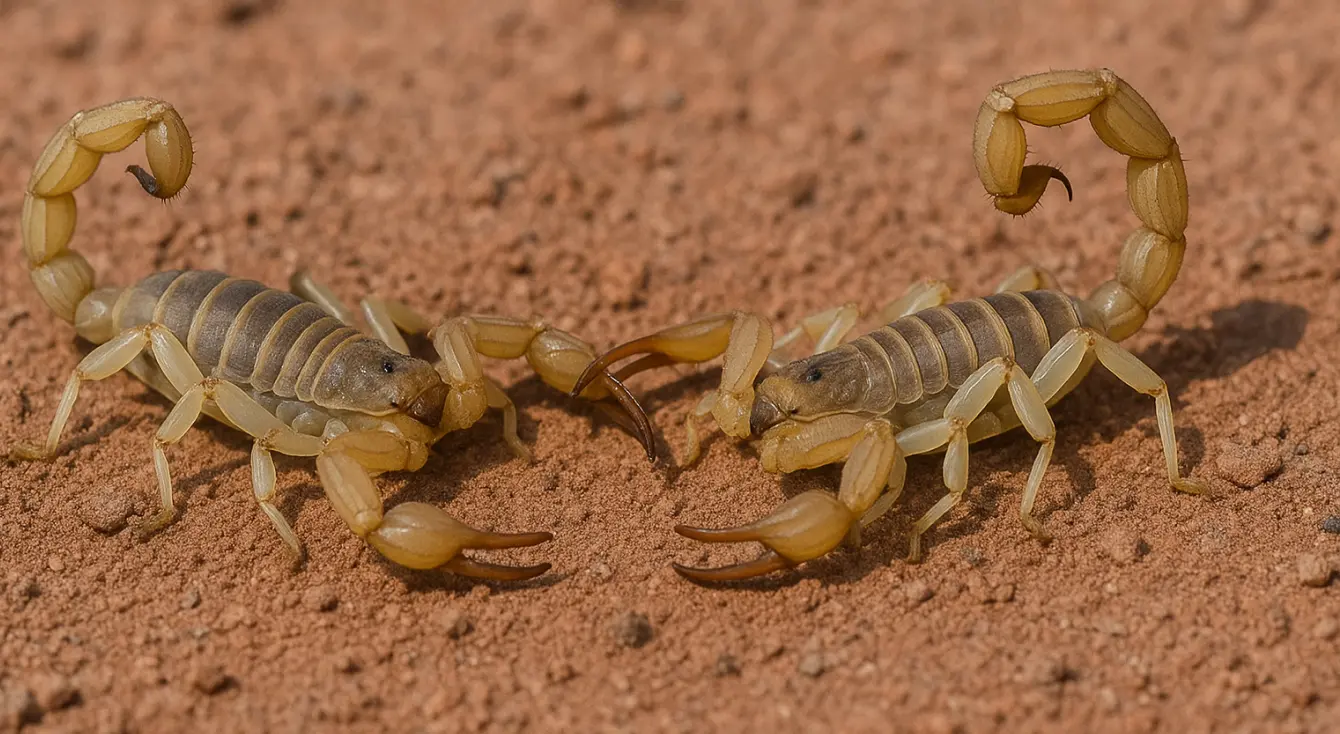
Wondering if scorpions hang out in groups or prefer to be alone? Learn about scorpion social behavior and what it means for your home.
Protect toddlers from scorpion stings with targeted childproofing strategies. Learn crib safety, toy storage, and emergency response for Southwest...
Step-by-step scorpion sting first aid, key warning signs, and when to call Poison Control, urgent care, or 911.
Explore the smart-home gap in scorpion detection and how Scorpion Alert automates trusted UV hunting with photo alerts—24/7.
Discover the most common hiding spots for scorpions in your home—and how to check them without getting stung.
Thinking of a pet scorpion? Learn what’s legal, safest species, enclosure setup, sting risks, and what to do if one escapes.
A desert-homeowner roundup of Amazon scorpion products using Reddit verdicts: what works, what’s mixed, and what to skip.

Learn to identify the 3 main scorpion species in Travis County, Texas. Understand striped bark scorpions, cave scorpions, and what finding one means.
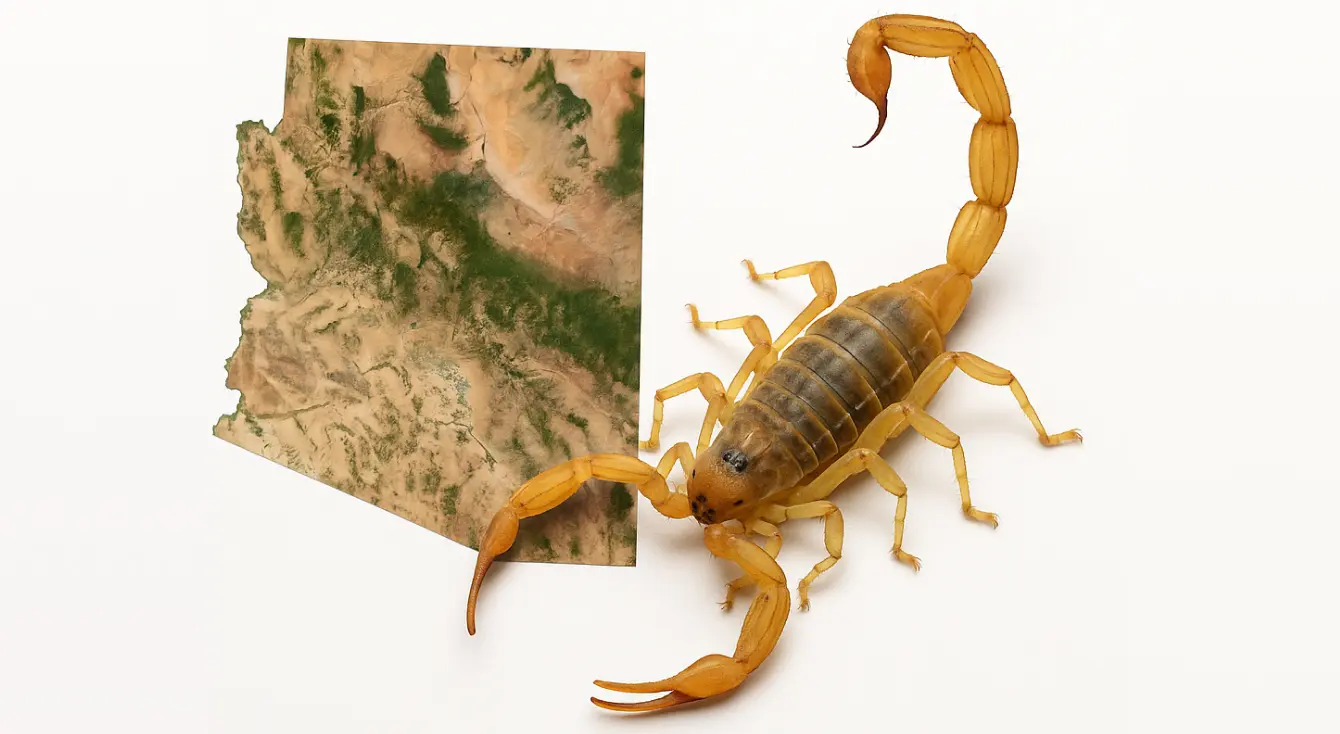
Learn about the most common scorpion species in Arizona, how to identify them, and which ones to avoid.
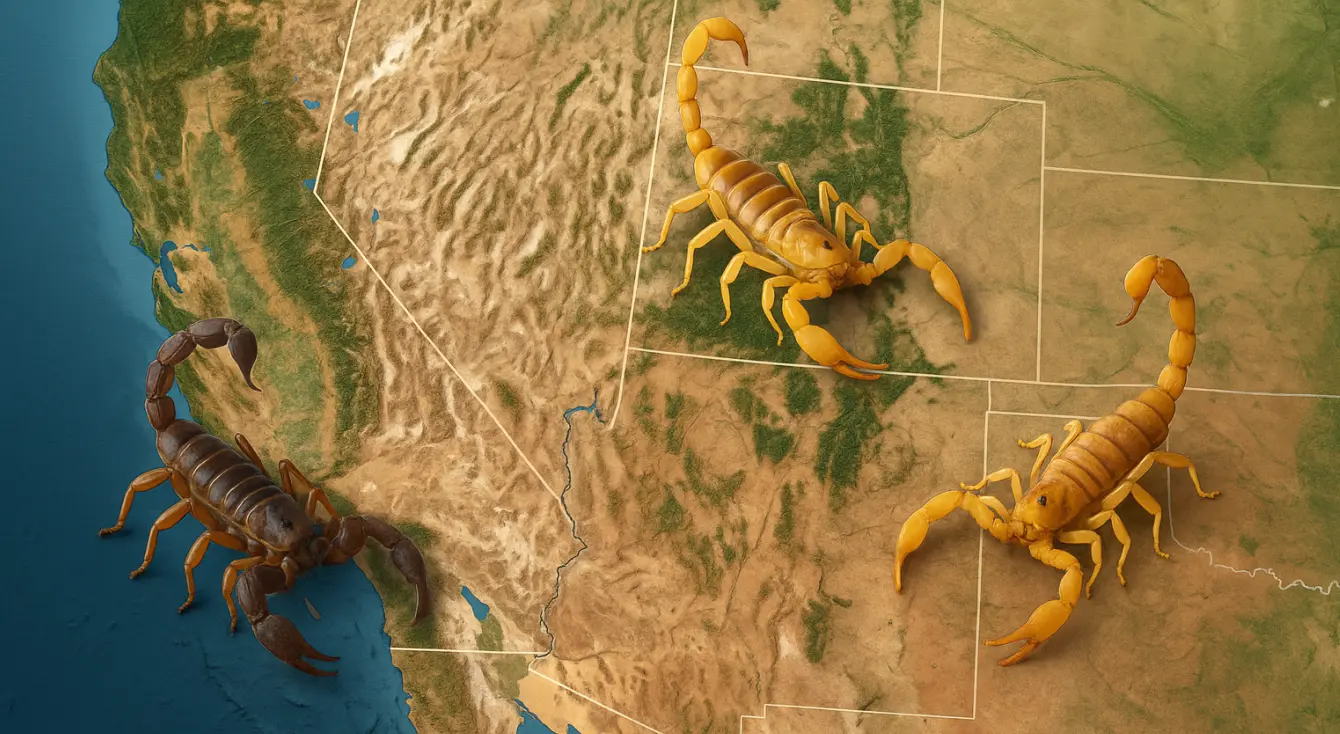
Compare the scorpions of Arizona, Texas, Nevada, New Mexico, and California. Know which are venomous and how to stay safe.
Learn when scorpion mating season peaks in the Southwest, why sightings surge, and steps to keep scorpions out of your home.
Just moved to Arizona? Learn what to do before move-in, week 1, and all year to prevent scorpions—and what to do when you find one.
Can scorpions climb walls, beds, and ceilings? Learn which species do, why they climb, and how to keep bedrooms safer.
Reddit proves sprays alone don't work. Learn a 5-layer scorpion defense: food control, sealing, barriers, nightly hunts, and 24/7 alerts.
Learn whether diatomaceous earth kills scorpions, where to apply it safely, and why it works best as a backup in a bigger plan.
A nursery-specific, step-by-step checklist to keep scorpions away from your baby’s crib—plus a nightly routine and emergency plan.
General pest control targets insects. Learn why scorpions survive sprays, where they hide, and what works to stop them for good.
Learn which scorpion sting symptoms are normal, which are red flags, when to call Poison Control or 911, and how to prevent another sting.
Learn UV blacklight scorpion hunting basics—365nm lights, best timing, hotspots, and safety—plus how to automate it all night.

We’re in a new neighborhood with a lot of construction. Our Detectors are staying busy, but getting notifications is better than getting surprised.
Jessica
Peoria, Arizona
This is a really great way to solve the scorpion problem. No mess, easy to use technology.
Michael
Palm Springs, California
I like seeing them turn on, night after night. Security guards that never quit.
Leah
Austin, Texas
Contain it safely with the glass-and-stiff-paper method (closed-toe shoes on), and keep kids and pets out until the scorpion is secured. Then do a short UV sweep of the room and check likely travel routes like baseboards, thresholds, and water-adjacent areas (bathroom/laundry) to reduce the chance of a second surprise. This what to do after finding a scorpion guide also explains when repeat sightings should trigger sealing, pest-control changes, or more monitoring.
Focus on a simple Week 1 plan: buy a 365nm UV flashlight, then spend a few minutes each night checking edges (walls, thresholds, garage line) when scorpions are most active. During the day, knock out high-impact gap fixes—door sweeps with tight threshold contact, quick caulk in baseboard and pipe gaps, and copper mesh for weep holes and other openings. The first-week scorpion reduction plan breaks this into manageable daily actions.
Start with a calm pre-move checklist: do a nighttime UV inspection (or hire one), then prioritize sealing obvious entry points, and set up ongoing prey control so scorpions have less reason to hunt indoors. The goal isn’t a “perfectly scorpion-proof” house—it’s reducing entry routes, cutting down crickets/roaches, and adding monitoring so surprises are less likely once boxes and furniture create hiding spots. This Arizona move-in scorpion checklist lays out the steps in the right order.
A reliable routine is a nighttime UV sweep—scan baseboards and corners first, then check bed frames/headboards, curtains, closet edges, and “look up” areas like ceiling-wall junctions, vents, and light fixtures (scorpions fluoresce under UV). For a more hands-off approach, perimeter monitoring can catch activity where scorpions usually travel and send quick alerts before they reach sleeping areas. The guide explains how to detect scorpions before they climb and where to place monitors for the biggest safety payoff.
Start with fast bedroom fixes: pull the bed/crib a few inches away from the wall, keep blankets and sheets from touching the floor, and remove “ladders” like curtains, hanging clothes, and clutter next to the bed. Then focus on sealing the gaps that matter most indoors—baseboards, corner seams, window/door weather stripping, and utility penetrations—because bark scorpions can slip through tiny openings. The article lays out a practical “tonight vs this weekend” plan to stop scorpions getting into beds.
Yes—some species can, and it’s a bigger concern in the Southwest because bark scorpions are strong climbers (most indoor sightings still happen along floors and baseboards). If you find one on a wall or bed, don’t swipe it with bare hands—keep kids and pets out, put on closed-toe shoes and gloves, confirm with a UV flashlight, and contain it with a cup/jar before checking nearby hiding spots like curtains or headboards. This doesn’t mean they’re “attacking” people—climbing is usually about shelter, temperature, or following prey insects, as explained in this guide to scorpions climbing walls and beds.
If you want fewer surprises, you need visibility when scorpions are active—especially along room edges and near entry points. This section explains how automated monitoring can provide photo-verified alerts in seconds, helping you respond fast and measure whether your sealing and barrier work is actually reducing activity. It shows where detectors help most and how 24/7 scorpion detection alerts fits as the final layer in a 30-day plan.
Stopping scorpions usually takes a system, not a single treatment: remove their food sources, seal entry points, and build an exterior barrier where they travel. This section lays out a checklist-style plan with practical priorities (like thresholds, utility penetrations, and perimeter routes) and realistic cost ranges. It explains how the five-layer scorpion defense framework closes the gaps that spraying alone leaves behind.
It’s a common frustration: pest control can reduce prey insects and sometimes poison scorpions, but it usually can’t stop new scorpions from entering or roaming indoors. If your plan is “spray-only,” sightings often drop but don’t go to zero—especially in heavy-pressure neighborhoods. This section sets expectations and introduces the why pest control isn’t enough approach using a layered system to prevent surprises.
Because DE is slow and can be unreliable, better night-time protection comes from a layered plan: reduce hiding spots and prey, seal entry gaps, and use monitoring so you can find scorpions while they’re actively roaming. Scorpion Alert’s approach complements DIY barriers by using 365nm UV to scan room edges and send photo-verified alerts, helping reduce surprise encounters. Get the full step-by-step plan in this scorpion protection beyond DE guide.
DE works best indoors when it’s applied in thin, barely visible lines in dry, protected cracks and along baseboards—places scorpions tend to travel along the room perimeter. Focus on low-traffic “quiet zones” like behind appliances, utility closets, and thresholds where the powder won’t get kicked up or vacuumed away. For practical placement ideas and application tips, follow this where to put DE indoors breakdown.
Diatomaceous earth (DE) is a fine, dusty powder made from fossilized diatoms, and many homeowners try it because it feels like a “non-chemical” DIY option. It works by abrading and drying pests that crawl through a thin, dry layer, but scorpions can be harder to affect because contact and conditions aren’t always consistent. This means DE is better as a targeted barrier than a fast “kill on sight” method—see the details in this diatomaceous earth scorpion guide.
This part focuses on “always-on” protection that works while you’re sleeping, pairing your sealing and nightly sweep habits with automated monitoring on the room perimeter. It explains where to place detectors for the best coverage near likely approach lanes and how alerts can reach you quickly via push and SMS (even through Sleep/Focus/DND settings). It also addresses sleep disruption and toddler safety in the always-on scorpion monitoring for nurseries.
This section lays out a parent-friendly, room-specific checklist that prioritizes the crib zone first, then sealing, screening, and decluttering the rest of the nursery. It includes practical tactics like keeping the crib away from walls and removing “climbable” items near it, plus sealing perimeter gaps where scorpions travel. You’ll also find hardware-focused steps for outlets, vents, and ceiling fixtures in the complete nursery scorpion-proofing checklist.
Start with a calm, step-by-step plan: focus on immediate first aid, then watch closely because young kids can develop serious symptoms faster due to their size. The guide explains “ER now” red flags (including severe drooling, unusual eye movements, trouble breathing, or convulsions) and a clear rule to call 911 for kids under 5 if anything beyond local pain shows up. It also covers medication do’s and don’ts (including why opioids are dangerous) inside the baby scorpion sting first steps.
The most reliable approach is layered: seal entry points first, target cracks/voids where scorpions live (not just open surfaces), and monitor at night so you know what’s happening. Scorpion-focused plans often include void-level applications, follow-ups based on evidence, and better detection than occasional sightings. This article outlines a layered scorpion control plan and explains how nighttime monitoring can confirm results before you stumble on one.
Scorpions often spend their time in “invisible zones” like wall voids, under baseboards, behind outlet plates, attics, garages, and tight cracks that surface sprays rarely penetrate. Because they prefer traveling along edges and protected gaps, baseboard spraying alone can miss much of their movement and access points. This section breaks down where scorpions hide indoors and highlights the most overlooked entry paths to check.
It’s common to spot scorpions after a standard pest control visit because many routine spray programs are optimized for insects, not scorpions, and may not reach where scorpions actually hide. A single sighting could be a wandering scorpion—or a sign they’re repeatedly entering the same areas—so tracking dates and rooms matters. This guide explains why scorpions persist after pest control and what to do if sightings continue in bedrooms or the same room.
Start with quick wins: shake out shoes, gloves, and towels; pull beds a few inches from walls; and keep floors clear near baseboards where scorpions travel. If you have a UV flashlight, do a fast perimeter scan, then follow up this weekend by sealing door sweeps, weatherstripping, and small gaps around pipes and baseboards. For extra peace of mind, consider adding nighttime detection so you’re not guessing—this prevent another scorpion sting tonight checklist lays it out step by step.
If symptoms are mild but you’re unsure (especially at night or with a child), Poison Control can help you decide what to watch and whether you need in-person care. Urgent care/ER is a better choice if symptoms involve breathing or swallowing trouble, spreading symptoms, or uncontrolled muscle movements. Call 911 right away for life-threatening signs like severe breathing difficulty, fainting/unresponsiveness, or suspected anaphylaxis—this when to call Poison Control breakdown also lists what info to have ready.
In the first 5–30 minutes, many people feel sudden sharp pain or burning, plus tingling and some local swelling around the sting. Symptoms can vary depending on the scorpion species and the person (including age/size and immune response), so the pattern matters more than “toughing it out.” If you can do it safely, note what stung you so clinicians can use the right guidance from this scorpion sting immediate symptoms guide.
The highest-yield exterior spots are cracks and seams in block walls, door frames and thresholds, under bushes, along irrigation lines, and around pool equipment where hiding spaces and prey are common. Indoors, prioritize wall lines—baseboards, corners, and furniture edges—especially in kid and pet areas, because scorpions often travel along perimeters. The guide also recommends short, consistent patrols (even ~15 minutes) and tracking sightings so each sweep gets faster and more targeted in this home scorpion blacklight patrol route.
For most homeowners, 365nm is the widely recommended “sweet spot” because it produces a strong scorpion glow while staying practical and affordable for a first setup. A beginner kit should also include long tongs and protective clothing (boots, long pants, gloves) so you’re safer while focusing on the glow, with optional amber glasses to boost contrast on stucco or gravel. This section also covers what to look for in popular budget lights (beam pattern and durability) in this beginner scorpion blacklight gear guide.
Scorpions fluoresce because compounds in their developed exoskeleton react to UV light, and the glow is easiest to spot in full darkness during a slow, safety-first search. Mature scorpions typically pop the most under UV, but a common beginner mistake is assuming babies will glow the same way—very small scorpions may not fluoresce reliably, so blacklight patrols can miss tiny intruders. This section also explains why scorpions often “hug” walls, making baseboards, edges, and thresholds the highest-yield routes during UV blacklight scorpion hunting at night.
A UV flashlight sweep along baseboards, corners, and furniture edges is one of the most reliable ways to spot scorpions at night because they fluoresce under UV light. If you find one, a safer approach is to keep distance and use a wide-mouth container and paper to capture it while protecting kids and pets. This walkthrough on spot scorpions at night with UV also covers set-and-forget monitoring options using perimeter placement and photo-verified alerts.
Scorpions rely heavily on non-visual senses to navigate, including pectines (comb-like organs underneath) that help them “read” textures and chemical cues on surfaces. They also detect vibrations and touch through sensory hairs, which helps them track movement and orient themselves in darkness. This guide to how scorpions navigate in the dark also explains why they often follow walls and edges, making baseboards and corners common travel routes.
Scorpions aren’t blind—they have multiple eyes, typically a pair on top (median eyes) and additional eyes on the sides, though the exact number varies by species. Their vision is best for sensing light, contrast, and movement rather than sharp detail, which is why they can seem “blind” to people. This overview of do scorpions have eyes explains what their eyes can (and can’t) do and why being nocturnal doesn’t mean they’re sightless.
Focus on fast, renter-friendly safety steps you can control: reduce floor clutter, shake out clothes/towels, keep beds slightly off walls, and keep kids/pets away from baseboards and stored items. Document every sighting with photos, dates, and exact locations, then request pest control in writing so you have a clear record if the issue persists. For monitoring that doesn’t require nightly blacklight walks, the article outlines perimeter-based approaches and a first-week plan in Vegas rental scorpion first-week plan.
Locals report bark-scorpion-like activity, and one common explanation is accidental transport via nursery stock and landscaping materials (like palm trees) brought in from other areas. They also feel “worse” because they’re small, excellent hiders, and mostly active at night—so daytime checks often miss them. The article explains what makes them different, why homeowners care about native vs. introduced species, and why UV checks work in bark scorpions Las Vegas facts.
It can feel like a sudden surge—especially for newcomers—because Las Vegas has had less public awareness and fewer “how to handle it” resources than places like Phoenix. A single sighting doesn’t always mean an infestation (it could be a roaming “traveler”), but it does mean you should start monitoring since scorpions are nocturnal and hard to spot. The article breaks down what sightings usually mean and the first steps to take in scorpions in Las Vegas home guide.
Most indoor stings happen during “surprise” moments—reaching into shoes, towels, laundry piles, or bedding—so simple habits like shaking items out and reducing clutter near walls help a lot. It also helps to focus on where scorpions travel (edges/baseboards) and prioritize bedrooms and bathrooms, then add monitoring to catch scorpions before someone steps on them. This prevent scorpion stings at night section covers routines, realistic trap use, and where to place detection for the biggest payoff.
Bee stings are most dangerous when they trigger anaphylaxis, a fast whole-body allergic reaction that can cause breathing trouble, throat tightness, swelling, hives, or fainting. Bark scorpion stings can be medically serious because the venom can affect nerves, especially in children, leading to symptoms like shaking, muscle spasms, vomiting, or breathing issues. This bee sting vs scorpion danger signs guide lists red flags for each and highlights who’s at higher risk.
For many people, scorpion stings can feel worse because the pain may come with tingling or “electric” nerve sensations, while bee stings are often more localized unless an allergy is involved. Where you live and which species is involved matters—bark scorpions are the main U.S. exception that can raise the stakes. This scorpion vs bee sting comparison also explains the difference between “hurts more” and “more dangerous,” plus when to seek urgent care.
Many newcomers are surprised by how strict some HOAs can be, how fast and corridor-dependent freeway driving feels, and which desert-specific expenses add up (especially summer electric bills and yard/pool upkeep). This section outlines what to review before buying (CC&Rs, common violations, approval timelines) and why commute routes matter as much as miles—plus quick notes on healthcare access and the generally welcoming community vibe. Get the moving-day reality check in Phoenix HOA and driving surprises.
Desert living changes expectations fast: xeriscape isn’t “no maintenance,” pools often require year-round attention, and pests like scorpions can be a manageable reality in some neighborhoods. This section explains simple, repeatable steps—like learning your irrigation timer, budgeting for pool upkeep, and doing a UV flashlight walkthrough at night since scorpions fluoresce under UV. It also mentions peace-of-mind options like outlet-mounted UV detectors that can alert you if something is moving while you sleep, covered in Phoenix scorpion and yard basics.
Phoenix heat is more than a catchy “dry heat” phrase—sun exposure, hot pavement, and constant AC use shape your routines from June through September, when locals settle into an “indoor season.” This section covers how schedules shift to early mornings/evenings and what to check in a new home (insulation, window coverings, HVAC age and filters) to avoid surprise comfort and energy costs. See the practical checklist in Phoenix dry heat homeowner tips.
Focus on prevention in layers: block entry points, reduce indoor hiding spots, and build simple habits like shaking out shoes, towels, and bedding before use. Prioritize kid zones (bedrooms, nurseries, play areas) and nighttime monitoring along baseboards and thresholds where scorpions often travel. This prevent scorpion stings at home overview also covers where detectors can fit into a broader, non-chemical safety plan.
Mild symptoms are often localized (pain, tingling, minor redness or swelling), but severe symptoms can include trouble breathing, drooling or trouble swallowing, abnormal eye movements, or uncontrolled twitching/jerking. Symptoms commonly show up within minutes to an hour, so close monitoring early on is important. This emergency scorpion sting symptoms section also outlines when to call Poison Control (1-800-222-1222) versus going straight to the ER.
Yes—infants and toddlers can have stronger, faster symptoms because the same venom dose affects smaller bodies more and their nervous systems are more sensitive. Most stings are treatable, but the threshold for getting medical guidance is lower for kids, especially if anything seems neurological or breathing-related. This scorpion sting risk for kids guide explains why age and size matter and how to respond quickly and calmly.
Automated detection is positioned as the “last-mile” layer that works after exclusion, cleanup, yard work, and pest control—covering the hours you can’t monitor. This section includes a placement blueprint for entry points and high-risk rooms, plus what to do immediately when an alert hits so you can act fast and safely. It also outlines typical starter quantities and transparent cost guidance in complete scorpion defense plan.
Scorpion Alert automates the same UV fluorescence method people already trust, using UV + a camera + AI to monitor continuously in dark rooms. When it detects a likely scorpion glow, it sends a photo-verified alert with a confidence score (and can notify you if a detector goes offline). This section also covers practical setup details like plug-in power, 2.4GHz Wi‑Fi, scan frequency, and adjustable sensitivity in automated UV scorpion detection system.
Most homeowners still rely on walking the house or yard with a UV flashlight because it provides immediate visual proof when scorpions fluoresce. The problem is the hunt only covers a short window (often 15–30 minutes), while scorpions can roam for hours when you’re asleep or away. This section explains the limits of manual checks and why the gap exists in the first place, in manual blacklight scorpion detection.
Stay calm and use a controlled trap method (cup over the scorpion, then slide a card underneath) rather than trying to grab or smash it. Contact the front desk or host and consider requesting a non-adjacent room/unit—ideally not ground-floor—while documenting with a photo. For stings, follow Poison Control/medical guidance and treat kids, pregnant travelers, and worsening symptoms as higher priority, as outlined in what to do if you find a scorpion.
Scorpions fluoresce under UV light, so a small blacklight (often strongest around 365nm) makes them much easier to spot in dim rooms. The fastest method is a perimeter-first sweep along baseboards, corners, and door thresholds, then a quick scan under bed edges, behind curtains, and around bathroom fixtures. It also highlights the most common hotel vs. Airbnb hiding spots in UV flashlight scorpion sweep steps.
It’s uncommon, but scorpions can end up indoors—especially in desert areas—so a quick check is worth doing before you unpack. Ground-floor rooms, older buildings, and places with rock landscaping, garages, or laundry areas tend to have more gaps and hiding spots. This guide explains what to look for and when to check in check hotel rooms for scorpions.
Start by staying calm and containing it safely (not with bare hands), then do an “edge sweep” of nearby perimeters where scorpions travel and pause. Small habit changes—like quick shoe/bedding checks, reducing floor clutter, and managing moisture—cut down on surprise encounters. For ongoing awareness without night walks, the guide explains perimeter-focused monitoring and why some trap setups can be messy in lived-in spaces; see stop scorpions from coming back.
Cars aren’t as sealed as they feel—scorpions can crawl in through small gaps, hitchhike on items from garages or yards, or climb up tires/undercarriage when a car sits overnight. The fastest checks focus on edge-and-contact spots: under floor mats, along seat tracks, inside door pockets, console gaps, under pedals, and around the trunk lip/spare-tire well. The article’s realistic checklist is in where scorpions hide in cars.
It’s scary, but scorpions often end up in “people places” because they seek tight, dark contact points and travel along edges—a behavior called thigmotaxis. During the day they tuck into cooler, cramped spaces (like shoe toe boxes, bed folds, or seat rails), then roam at night. Some species are strong climbers, which explains how “surprise” encounters can happen above floor level; this is covered in why scorpions hide in beds.
The article outlines a calm escalation ladder: written notice with evidence, a reasonable deadline to fix it, and follow-up notices after new incidents. It also discusses (generally, not as legal advice) when renters talk about stronger remedies like ending a lease, and why you should verify notice requirements under Arizona rules or with tenant help resources. Use steps when landlord won’t treat to map out your next move.
This section gives a practical, tonight-style documentation plan: photos with timestamps, exact locations, a sighting log, and saving any sting/medical paperwork. It also explains how a blacklight walkthrough can create clear, actionable evidence and why a written paper trail (email/tenant portal) matters. Follow the checklist in document a scorpion infestation.
Many renters worry a lease clause makes them “stuck,” but the article explains that serious pest issues can implicate habitability and a landlord’s duty to maintain the unit. It also breaks down the common misunderstanding between routine upkeep and repeated indoor scorpion activity (especially stings or baby scorpions) that may require a landlord response. See the full discussion in Arizona scorpion lease responsibility.
After a sighting, focus on sealing entry points, reducing clutter/hiding spots, and cutting off food and water sources, then monitor the next few nights with UV checks along baseboards, thresholds, and corners. The section also compares sticky traps (and their drawbacks) with a monitoring hierarchy that includes automated detection for faster alerts before a scorpion disappears again. You’ll find a practical checklist and monitoring options in stop scorpions from coming back.
The safest approach uses closed-toe shoes, gloves, and a heavy, flat object with controlled pressure—different surfaces require different tactics so you don’t miss or make a mess. Tile/hardwood favors a firm press, carpet often needs a boot heel or rigid tool, and walls/ceilings are safest when you knock it down first and then contain or kill it on a flat surface. The article also explains why quick sprays and some powders aren’t reliable for an active scorpion you can see in safest ways to kill a scorpion.
In the first few seconds, stop moving, keep the scorpion in sight, and create distance from kids and pets—losing visual contact is the biggest mistake because scorpions disappear into cracks fast. Have someone bring shoes, gloves, and a container while you watch it, and avoid risky moves like stomping in flip-flops or spraying and then looking away. This step-by-step plan is covered in what to do when you see a scorpion.
A science-backed approach prioritizes confirming activity with monitoring first, then reducing prey and moisture, sealing entry points, and responding quickly to verified sightings instead of blanket chemical applications. Because scorpions are durable and activity can shift room-to-room, progress is best measured over weeks through consistent detections—not overnight hope. The section on a scorpion monitoring and exclusion system explains how a repeatable “close the loop” process (including photo-verified alerts) lowers anxiety and improves results.
Scorpions can be unusually resilient to typical DIY methods because of their low metabolism, tough exoskeleton, and the way they breathe through spiracles—meaning “fumigating the room” may not expose them like it would more active insects. That’s why stories about scorpions surviving long periods without food/water (or seeming dead and then moving later) keep circulating, and why handling should be done with tools, not hands. The breakdown of why scorpions resist bug bombs ties the biology to a safer takeaway: detection and verification often beat relying on a single kill method.
It often isn’t a “new” scorpion appearing out of nowhere—you may be intersecting with an established outdoor population using the same shelter and travel routes. Homeowners commonly experience clustering (if you saw one, others may be nearby) and “turnover,” where removing one scorpion opens up space for another to move into that micro-area. The section on desert scorpion turnover and clustering explains why one-and-done approaches can feel like they fail instantly and why tracking sightings is more useful than guessing.
You don’t have to catch scorpions in the act—start with a quick UV flashlight sweep along baseboards, thresholds, and garage edges, where they often travel. If you want a lower-effort approach, passive perimeter monitoring can help you know when one shows up without nightly searches. These nighttime scorpion activity checks focus on the fastest places to scan first and how alerts can reduce guesswork.
Scorpion courtship often looks like a sustained “handshake” where they clasp pincers and move together in short bursts, sometimes pivoting or circling as the male searches for the right surface. That coordinated movement is usually the classic promenade, not a fight—though things can turn risky during separation. This guide to scorpion mating dance steps breaks down what you’re seeing and why you shouldn’t try to break them up with bare hands.
Scorpions don’t “talk,” but they do communicate in the sense that they send signals that can change another scorpion’s behavior—usually for survival, territory, or mating. They rely mainly on chemical cues (pheromones), vibration sensing through the ground/air, and close-range touch and posture once they meet. This overview of scorpion communication and signals also explains why scent strength and vibration patterns can affect what they “notice” at night.
This section compares the real annual costs of common approaches—monthly pest control vs a focused DIY stack vs one-time professional sealing—and then turns it into a prioritized shopping plan. It breaks purchases into “tonight,” “this weekend,” and “this month,” so you reduce sightings fast without over-spraying indoors. It also explains how automated monitoring can replace nightly blacklight walks in 12-month scorpion control plan and budget.
This section lists the top “buy-ready” picks in a practical order: tools to find scorpions tonight, materials to block entry points, and residual sprays for targeted control. It explains what each product is realistically good for (and not good for), with quick price expectations and safety notes for kids and pets. The recommendations are compiled in best Amazon scorpion products Reddit recommends.
Many Southwest homeowners trust Reddit more because posters usually share real context—scorpion activity level, home type, sealing attempts, and what worked (or failed) over time, instead of one-line ratings. This section explains a “real desert homeowner” method for filtering advice (repeat mentions across threads, upvotes, and specific outcomes) and sets expectations that no single product is magic. It also previews the core strategy: kill + prevent + monitor, as summarized in Reddit vs Amazon scorpion reviews.
Prevention is a mix of sealing entry points (door sweeps, weather stripping, utility penetrations, garage gaps) and reducing clutter so perimeter edges are easier to inspect. Monitoring matters too because scorpions tend to travel along baseboards and corners, so early detection can stop panic if babies are present. This overview of preventing baby scorpions indoors explains where to watch first and how Scorpion Alert can provide fast nighttime alerts.
Keep your distance, keep kids and pets away, and avoid a frantic chase—especially don’t squash it first, because babies may scatter into cracks. If you’re comfortable, contain it with a wide-mouth jar and stiff paper for a controlled removal; otherwise, call a pro if sightings are recurring. This guide on how to handle a mother scorpion also covers quick steps for checking nearby baseboards and likely entry points.
Yes—scorpions give live birth, and the tiny newborn scorplings climb onto mom’s back for protection and a “free ride.” They typically stay there until their first molt, often about 1–2 weeks. If a mother scorpion wanders indoors, the babies can come with her, which is why mother scorpions carrying babies indoors can catch homeowners off guard.
Sometimes, yes—pros often mention options like Onslaught FastCap for heavier activity, while budget-friendly choices like Cyzmic CS or Bifen IT can still work if you’re disciplined about coverage. The article also emphasizes an integrated plan: a consistent exterior barrier plus monitoring so you can verify progress at night and catch the occasional indoor roamer. This best scorpion spray alternatives section lays out when to consider switching and how to measure results.
Technique beats brand: follow the label rate, don’t under-dose, and focus on the perimeter edges and cracks scorpions use as “highways” (expansion joints, block wall tops/bases, thresholds, door frames, and the garage perimeter). If you’re hiring a service, ask what concentration they’re using—some dilute far below stronger label-allowed rates for tougher pests, which can reduce results. This mix and apply CS sprays walkthrough explains the exact targets and reapplication timing.
For most homeowners, Cy-Kick CS gets the stronger “go-to” endorsement, but Demand CS is a comparable microencapsulated (CS) pro concentrate with similar residual expectations when applied correctly. The bigger difference in real-world results usually comes down to coverage, dilution rate, and whether you’re treating scorpion travel routes—not finding a magic brand. See the side-by-side breakdown in this Cy-Kick vs Demand for scorpions guide.
Start by keeping your distance, protecting hands and feet (especially at night), and keeping kids/pets away—don’t handle a scorpion to “test” its pincers or try risky close-up ID. To cut repeat sightings, focus on quick wins like decluttering edges, sealing obvious gaps, and reducing insect prey and moisture sources. For peace of mind at night, perimeter monitoring can help because scorpions commonly travel along room edges, and UV-based detection can provide photo-verified alerts; here’s what to do after spotting scorpions.
Yes—pinches can happen when someone accidentally grabs or traps a scorpion during cleanup, in storage bins, under patio furniture, or when putting on shoes/clothes without checking. A pinch is usually a localized pressure or sharp pain, while a sting is more likely to cause burning/tingling and can lead to stronger nerve-related symptoms in medically important species. Kids and other higher-risk groups should treat any scorpion contact more cautiously and use targeted first-aid guidance; the article breaks down scorpion pinch vs sting symptoms.
Scorpion pincers (called pedipalps) are the claw-like parts up front that scorpions use to grab, hold, and manipulate prey, while the tail stinger is the venom delivery system. Indoors, pincers help them handle insects they find along baseboards, in garages, and in cluttered edge areas. They’re also used in courtship to guide and hold a mate, which helps explain why scorpions may move confidently through tight spaces—see what scorpion pincers actually do.
Prioritize sealing before you fully unpack: close gaps at door thresholds, utility penetrations, and other openings where exterior edges meet the structure. Then confirm results with perimeter-first monitoring near common travel paths like baseboards, corners, and entry doors, rather than waiting for random sightings. This first 30 days scorpion prevention plan includes where to monitor first and how Scorpion Alert can provide photo-verified, night-time detection and pattern tracking.
Yes—grading, trenching, and landscaping can destroy shelter zones and displace scorpions into the nearest cool, stable structure, which is often a newly finished home. Instead of a one-time event, ongoing builds can create repeated waves as more lots are disturbed. This construction displacement scorpion explanation also covers why scorpions follow edges and end up along baseboards, thresholds, and wall lines.
New construction doesn’t automatically mean pest-free—especially in fast-growing desert-edge communities where soil, rocks, and harborage are being constantly disturbed. Many homeowners report the heaviest scorpion activity right after move-in because nearby lots are still being worked and scorpions are on the move. This new home scorpion activity guide explains why early sightings are often about movement patterns and entry points, not a “dirty house.”
Start with a prevention ladder: seal entry points, reduce hiding spots and prey, then monitor activity at night to confirm where scorpions are getting in. The article explains practical weekend fixes (door sweeps, weather stripping, sealing gaps) plus monitoring options—from UV checks to automated plug-in detectors—and why perimeter placement along walls matters. Follow this home scorpion prevention and monitoring plan to prioritize bedrooms, entry doors, and water-adjacent rooms.
The key concern is identifying smaller, slender-built species that rely more on venom, with the Arizona bark scorpion highlighted as the primary medically significant example in the region. The section walks through quick, practical ID cues (like pale coloration and slimmer pincers) and how UV light can help you spot scorpions at night. Use this Southwest small scorpion quick guide to compare common species, where they’re found, and general sting risk.
Not necessarily—size alone doesn’t predict sting severity, and in the U.S. Southwest some smaller, slimmer species can pose a bigger medical risk than large, bulky scorpions. For homeowners, “dangerous” is less about how much it hurts and more about whether symptoms can become medically significant, especially after accidental contact in shoes, bedding, or laundry. This scorpion size versus danger breakdown explains why species ID and behavior matter more than body length.
The goal is to disclose clearly and pair it with a practical mitigation plan (sealing work, a pest control contract, and any inspection results) so buyers see a managed risk instead of a mystery. Sellers often do best by offering specific, verifiable concessions (like paying for sealing or prepaying service) rather than vague credits that suggest the problem is unresolved. This keep scorpion disclosure from killing deal section also explains how monitoring tools like Scorpion Alert can be positioned as reassurance, not a red flag.
A simple rule of thumb is that 1–2 scorpions over years is usually not “material,” while something like 2–3 scorpions per week is a strong sign the issue is material and should be disclosed. Frequency, where they’re found (inside living space vs. garage), and whether professional treatment is ongoing all influence how buyers view risk. The material scorpion infestation disclosure guide also encourages tracking sightings by date and location so your disclosure stays factual and defensible.
In Arizona, disclosures generally focus on whether something is a “material and adverse fact,” so an occasional scorpion sighting may not automatically require disclosure. The bigger issue is how buyers, inspectors, and lenders react when scorpions are discovered late, which can trigger renegotiations even if the legal duty is limited. This overview of Arizona scorpion disclosure requirements explains how to disclose accurately without over-disclosing or hiding a real problem.
Scorpions slip in through small gaps like worn door sweeps, thresholds (including the garage-to-house door), plumbing/electrical penetrations, and cracks where exterior materials meet. Sealing helps, but no house is perfectly sealed—so it’s smart to verify whether anything is still getting in. This seal and monitor for scorpions section explains an “outside-in” approach and why perimeter-focused monitoring along baseboards can alert you sooner, especially at night.
Scorpions prefer cool, dark, tight spaces—especially along walls—so shoes by the door, laundry piles, towels on the floor, and storage pushed against garage walls are common “surprise” spots. Outdoors, woodpiles, stacked pavers, dense ground cover, and mulch right up against the foundation can turn the perimeter into a comfortable staging area. This scorpion hiding places indoors and outdoors section gives a simple declutter rule to create a cleaner strip along edges where they travel.
Scorpions usually enter homes for the basics—food, water, and tight shelter—and because your home often has easier access than the yard. Since they tend to travel along edges and hug walls, the biggest risk areas are baseboards, thresholds, and clutter near room perimeters. This reasons scorpions enter your home guide also explains why sightings often happen at night (or not at all), so reducing attractants plus monitoring is the safest combo.
Bark scorpion stings often cause intense pain and neurologic sensations with little or no visible skin mark, while many spider bites are more likely to show a noticeable wound or progressive skin damage (though exceptions exist). If you try to locate the scorpion, do it safely—avoid bare hands and use a container method rather than rummaging. For immediate peace of mind, this prevent another scorpion sting tonight checklist covers quick steps like shaking out shoes and bedding, reducing floor clutter, and checking room perimeters.
Call 911 immediately for severe symptoms like breathing trouble, uncontrolled vomiting, seizures/convulsions, collapse, rapidly worsening symptoms, or for very young children (under 5). If symptoms are escalating (spreading neurologic symptoms, trouble swallowing, abnormal eye movements), an ER or urgent care visit may be needed—Poison Control can help you decide and monitor changes in real time. This when to call 911 for scorpion sting breakdown also covers what to do while you wait (cool compresses, calm reassurance, and a quick packing checklist).
Move away from where the scorpion may be, keep the person still, and remove rings or watches if the sting is on a hand or arm in case swelling starts. Wash the area with soap and water, then use a cool compress (wrapped, on/off cycles) and note the time and symptoms as they change. Call Poison Control right away for tailored guidance—this bark scorpion sting first aid guide is first-aid information, not a diagnosis.
If scorpions tend to travel along walls and baseboards, you can monitor those routes automatically instead of walking the house every night. Plug-in perimeter monitoring uses UV illumination in dark rooms plus a camera and confirmation logic to send photo-verified alerts so you can respond before the scorpion disappears. This automated UV scorpion detection overview covers how it works, where to place units, and how to make sure you hear alerts overnight.
Most homeowners find 365nm UV produces a stronger, clearer scorpion fluorescence than 395nm, which can look weaker even when scorpions are present. When shopping, prioritize wavelength, a usable beam pattern for baseboards, and safe indoor use (aim low and avoid eyes). This best UV flashlight for scorpions breakdown gives a simple buying checklist.
Scorpions don’t make their own light—they fluoresce when UV hits compounds in their outer shell and re-emits visible light, often a green/cyan-blue outline. It’s easiest to spot in the dark because normal lighting can wash the glow out, and the “glow” doesn’t help you ID the species or danger level. This scorpion glow under UV light guide explains what homeowners actually see and why it works.
During peak months (usually July–September), focus on simple nightly habits: keep floors clear along baseboards, check shoes before wearing, and keep beds from touching walls. If you get an alert or see a scorpion, contain it safely (container + stiff paper), then look for the route in—gaps, damp areas, or clutter near entry points—so you can fix the cause. The guide also explains how to make sure critical notifications break through sleep settings in this peak scorpion season safety routine.
Pre-season prep is mostly about sealing entry points, reducing moisture, clearing clutter along walls, and scheduling monthly exterior pest control before the April–May spike. Many homeowners use early insect activity (like earwigs) as a cue to tighten prevention, and monitoring can provide peace of mind without nightly blacklight walks. The article also covers easy detector placement near doors, garages, bedrooms, and water-adjacent rooms in this pre-season scorpion prevention checklist.
In Arizona, “scorpion season” usually starts when nighttime temperatures warm up enough for more consistent activity, which homeowners notice most after dark along baseboards and thresholds. In 2026, people are reporting February sightings—about two months earlier than the typical April “panic” timeline—likely tied to milder winter nights. Even if you haven’t seen one yet, you can still be “in season” because scorpions are nocturnal and tend to stay tight to room edges, as outlined in this Arizona scorpion season start guide.
Start with the fastest wins: seal visible gaps around pipes and under-sink openings, then inspect and screen roof vent stacks if needed, and fix leaks or moisture that draws in insects (their food). The guide also explains how to verify whether your fixes are working by monitoring high-risk areas along room perimeters instead of relying on nightly searches. You’ll find a prioritized checklist in scorpion-proofing plumbing entry points.
Most scorpions show up near sinks and tubs because they slip through small gaps around pipe penetrations, cabinet cutouts, wall voids, and unsealed trim plates—not because they’re “swimming up” a pipe. They also tend to hug walls as they travel, so baseboards and plumbing openings become common routes. This section shows the most likely entry points (including vent stacks) in how scorpions enter bathrooms.
It can happen in rare cases (like a dry trap or an open path), but most “drain scorpion” sightings are actually scorpions using gaps around plumbing—not traveling through water-filled pipes. Bathrooms also attract them because they offer moisture, darkness, and hiding spots, so a tub sighting often means it wandered in and fell. This section breaks down what’s myth vs. real risk in scorpions coming through plumbing drains.
The article recommends a layered approach: reduce entry points, reduce insect food sources, and monitor when scorpions are most active (at night along room edges). It also explains why verified detection beats guessing based on pet behavior, and how to place monitoring near high-risk rooms and common entryways. The step-by-step plan is outlined in reliable scorpion prevention plan indoors.
Yes—cats can be stung, especially when they paw at, bite, or “toy” with a scorpion in dark corners at night. Fast reflexes reduce risk but don’t eliminate it, so you shouldn’t treat a good hunter as a safety plan. This section covers practical next steps and risk reduction in cat scorpion sting risk guide.
Homeowners report mixed results: some cats kill scorpions, some only notice them, and some ignore them completely. Even “spotting” behavior can still help because it gives you a chance to intervene, but it’s not something you can count on for kids, guests, or sleeping pets. This section sets expectations and explains what “success” really looks like in cats killing scorpions reality check.
This section breaks down why scorpions glow under UV and how that makes night searches more effective, especially when you scan along edges like baseboards, thresholds, and corners. It also explains why UV glow can hide subtle markings, so you’ll want to confirm color and striping under normal light when it’s safe. Get tips on using a UV light to find scorpions and taking usable ID photos.
A few well-placed Scorpion Detectors can help you spot them early, avoid surprises, and stop an infestation before it starts.
No matter how many Scorpion Detectors you use, your monitoring subscription is one simple, flat fee. Choose the subscription that fits you best.
Get as many as you need. It won't change your subscription price.
Get up to three. If you need more, get one free with a 5-pack.
Get a free Scorpion Detector when you buy four.